FYNO PREFERENCE MANAGER
Let customers choose how you reach them
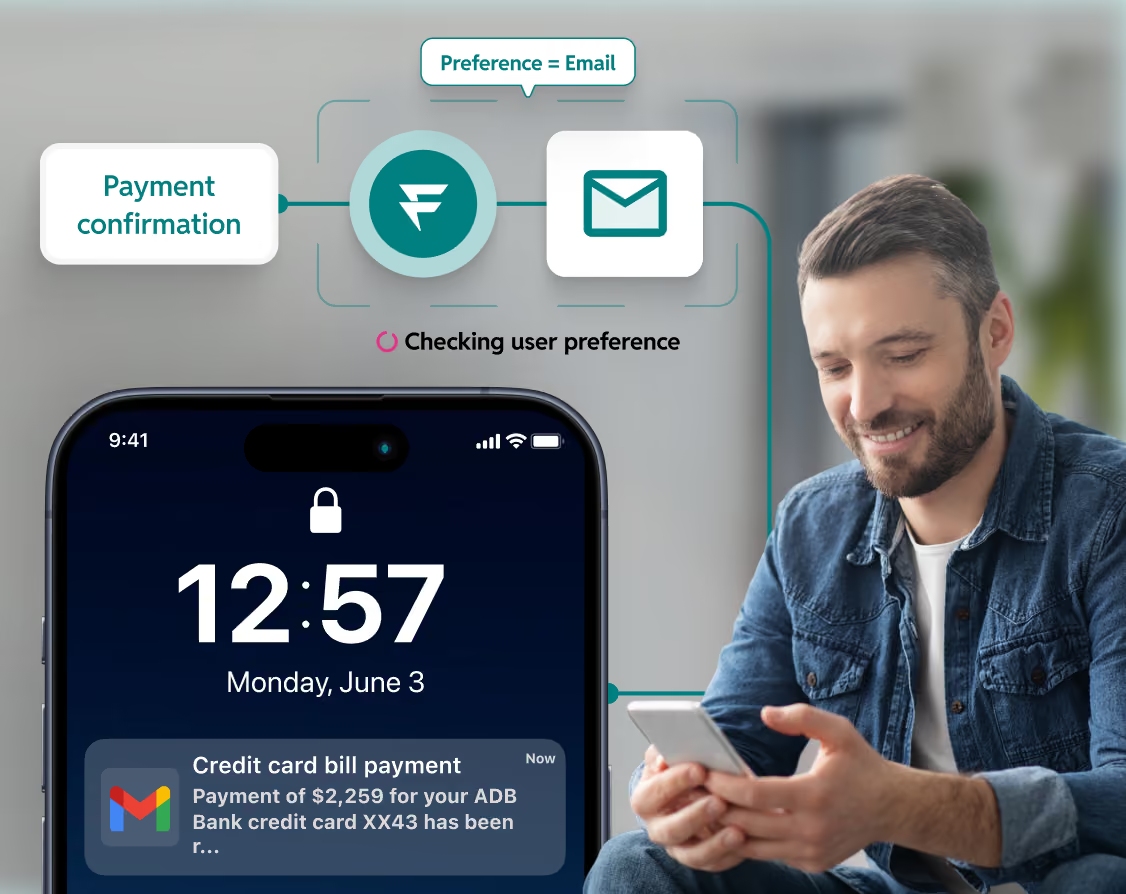
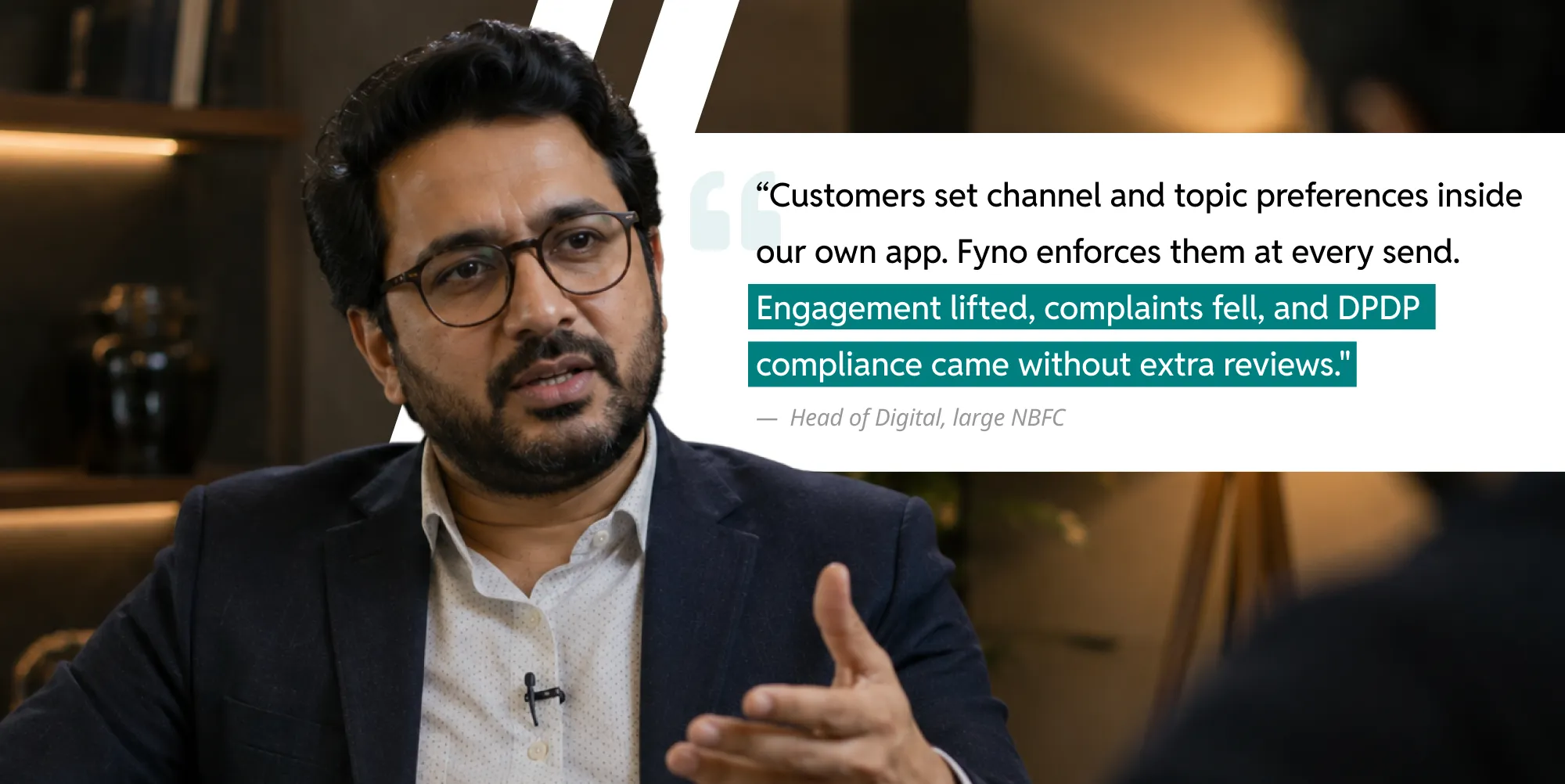
Most banks collect consent once and apply it globally. Fyno enforces customer preferences at the channel level in real time for every send.

.webp)



.svg)
.svg)


.svg)

.webp)

.svg)
.svg)


PREFERENCE CENTRE
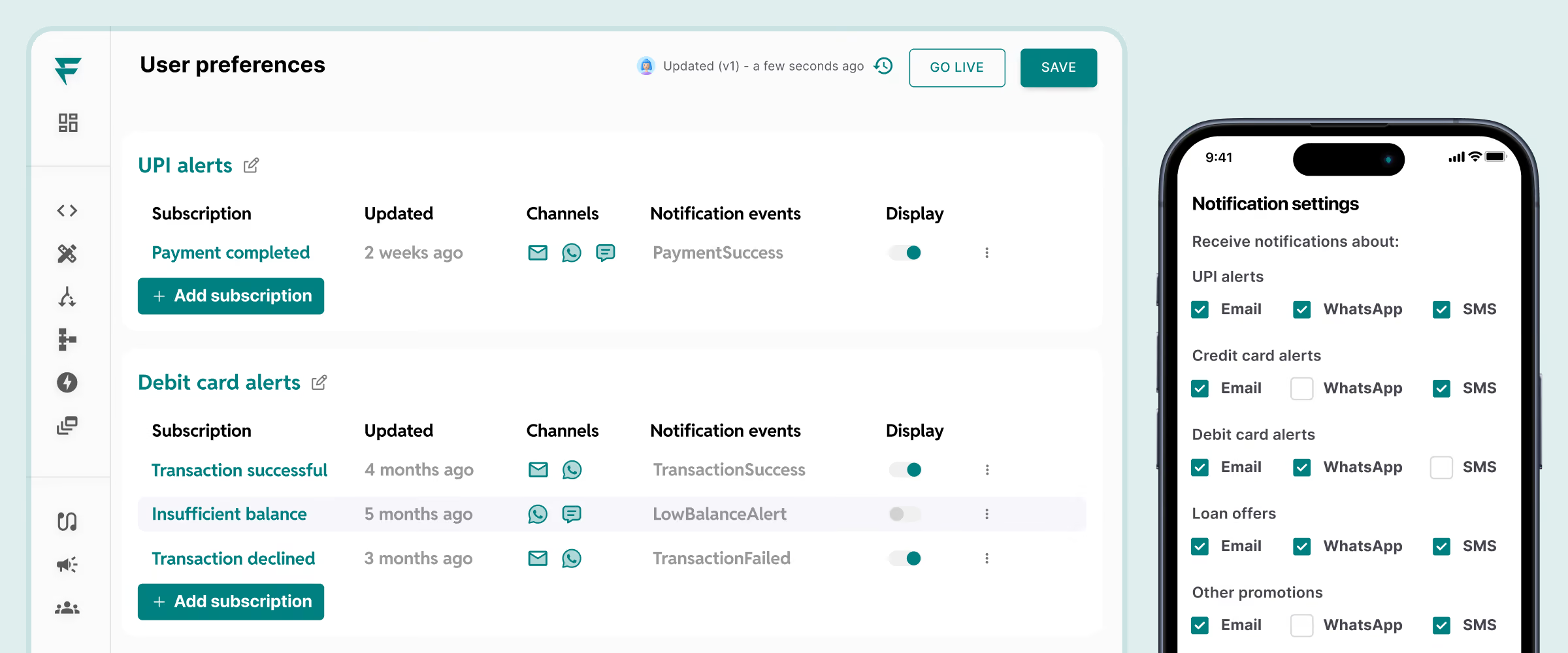
Consent captured at channel & topic level
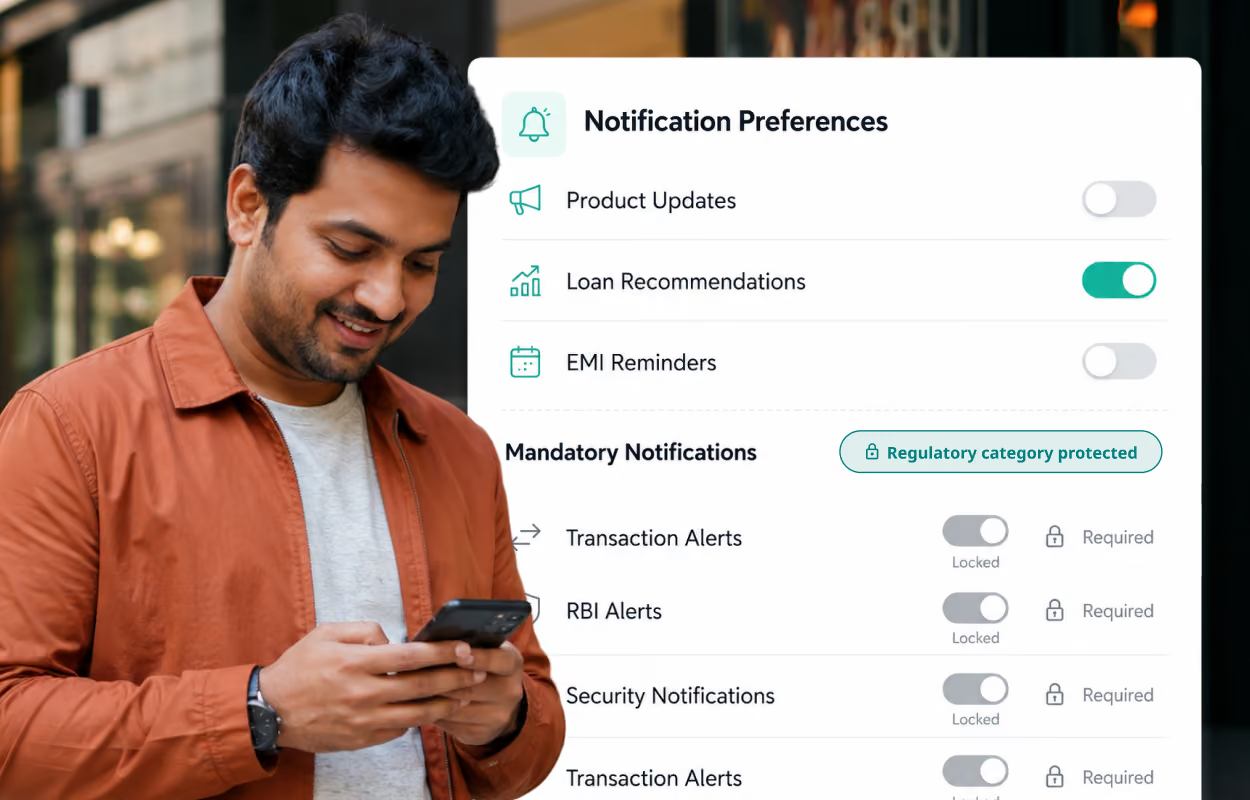
Let customers take control of their communication, across channels, topics and frequency
GLOBAL OPT-OUT
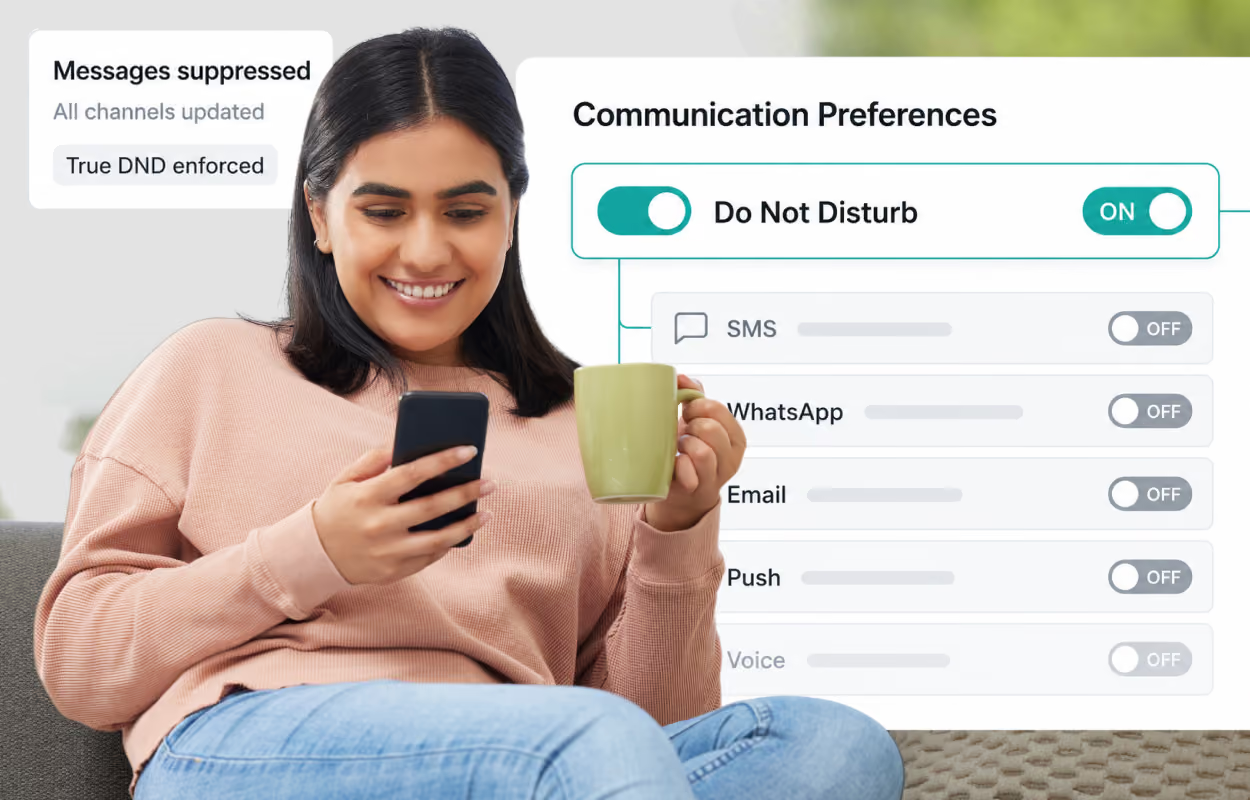
One switch, all channels
Give customers a single dashboard to suppress messages across SMS, WhatsApp, email, push, and voice. True DND enforced before every send.
TOPIC SUBSCRIPTIONS
Soft and hard categories
Customers subscribe per topic: offers, statements, account updates, or product alerts. Regulatory notices are hard-locked and cannot be unsubscribed.
MANDATORY POLICY RULES
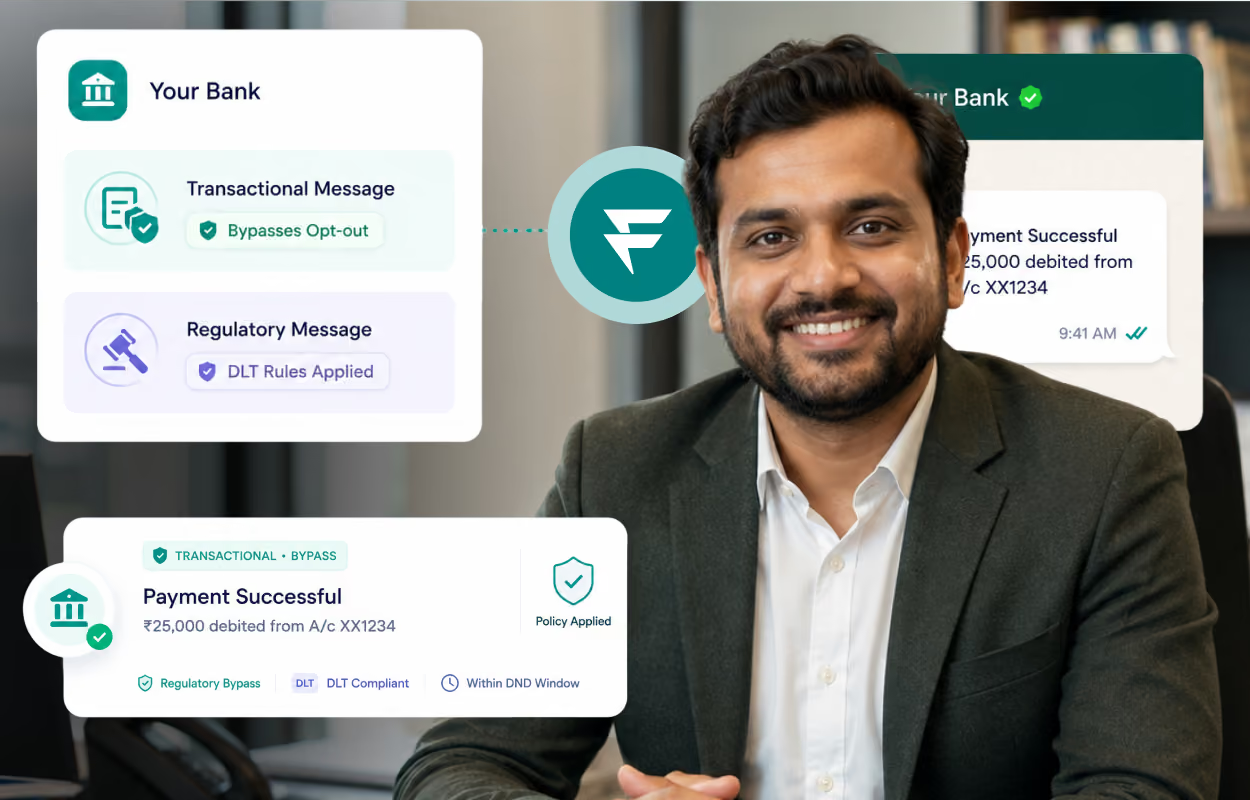
Transactional bypasses
Transactional and regulatory messages bypass opt-out. Frequency caps, quiet hours, and DND windows enforced per DLT category and per customer segment.
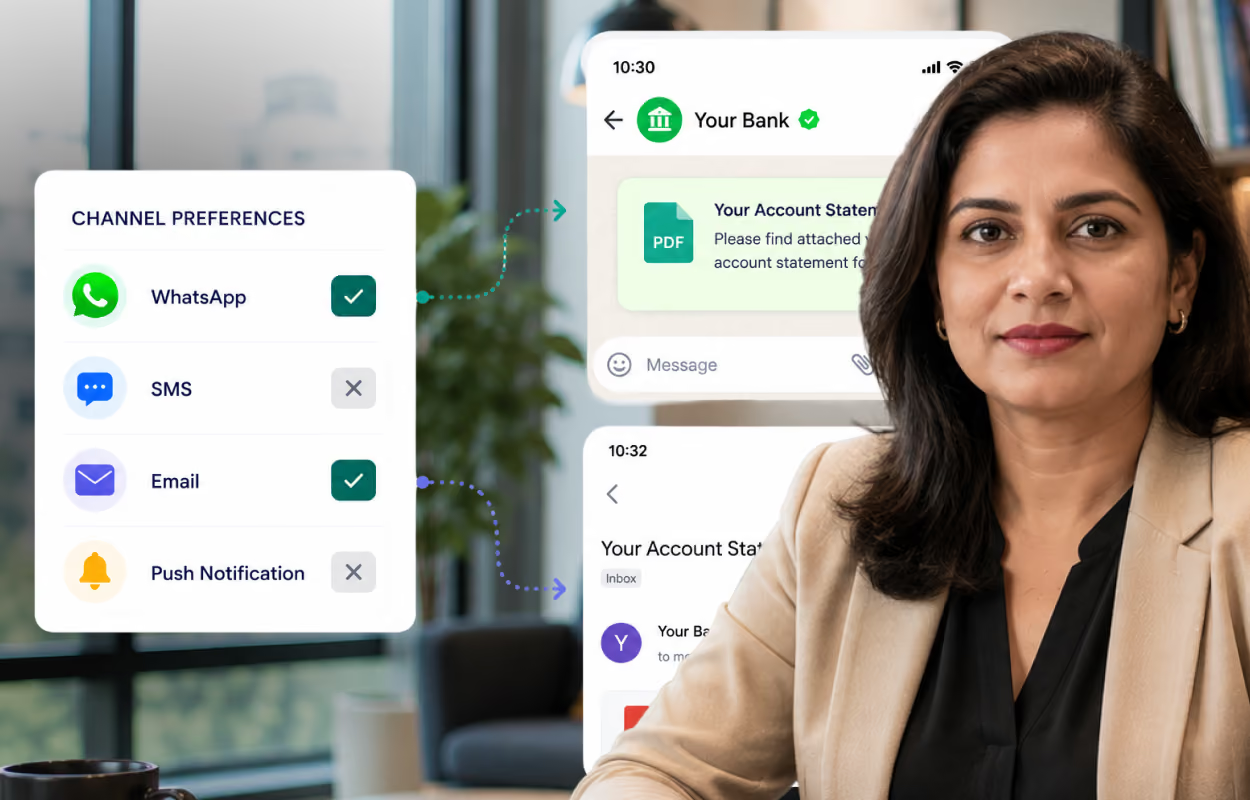
CHANNEL-LEVEL CONSENT
Per-user channel override
Brand sets default channel preferences. Customers override for SMS, WhatsApp, email, or push individually. Routing adjusts at send time, per message.
TRACK & AUDIT
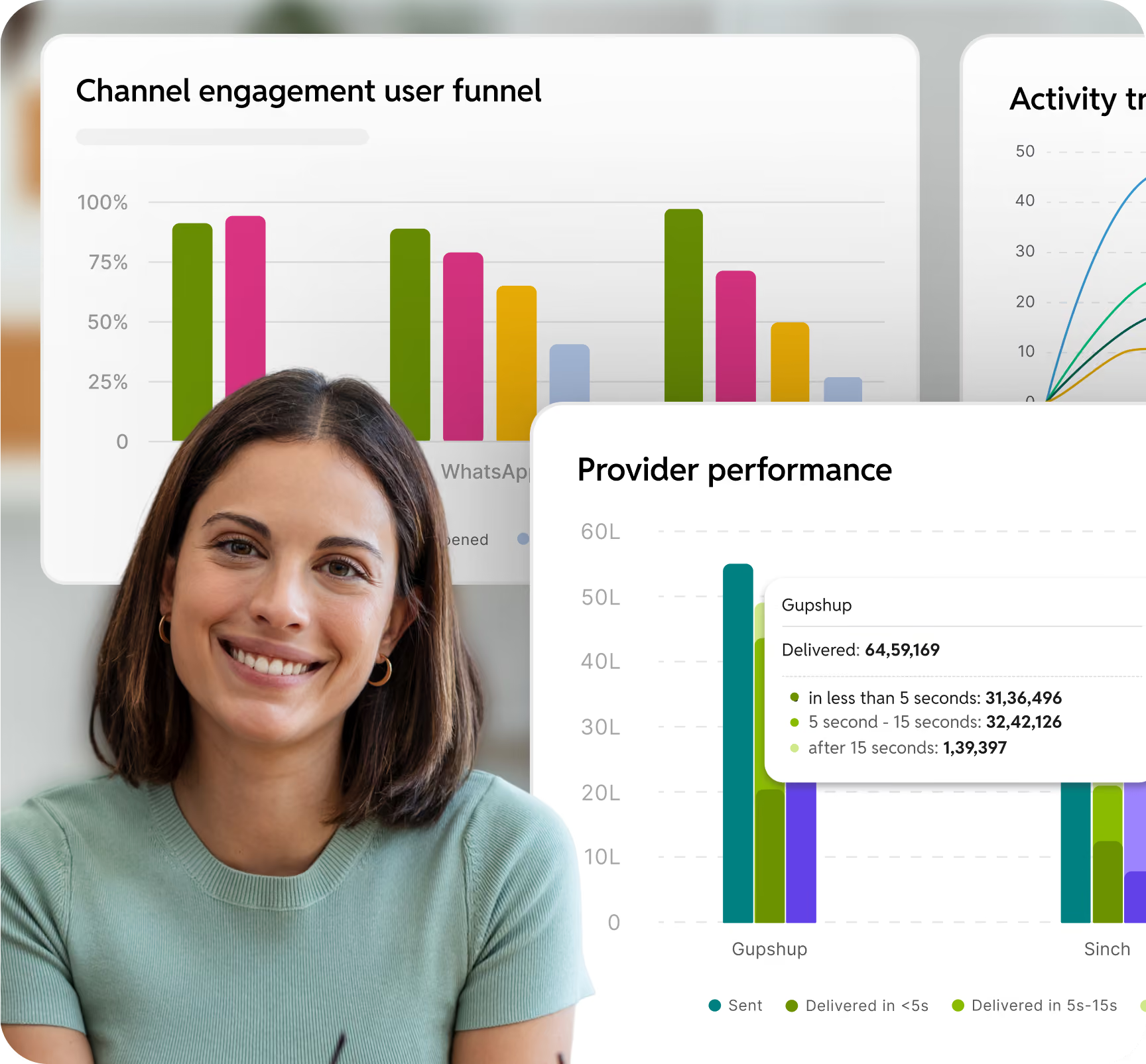
Not just capturing preferences , also enforcing them at every send
Compliance built-in
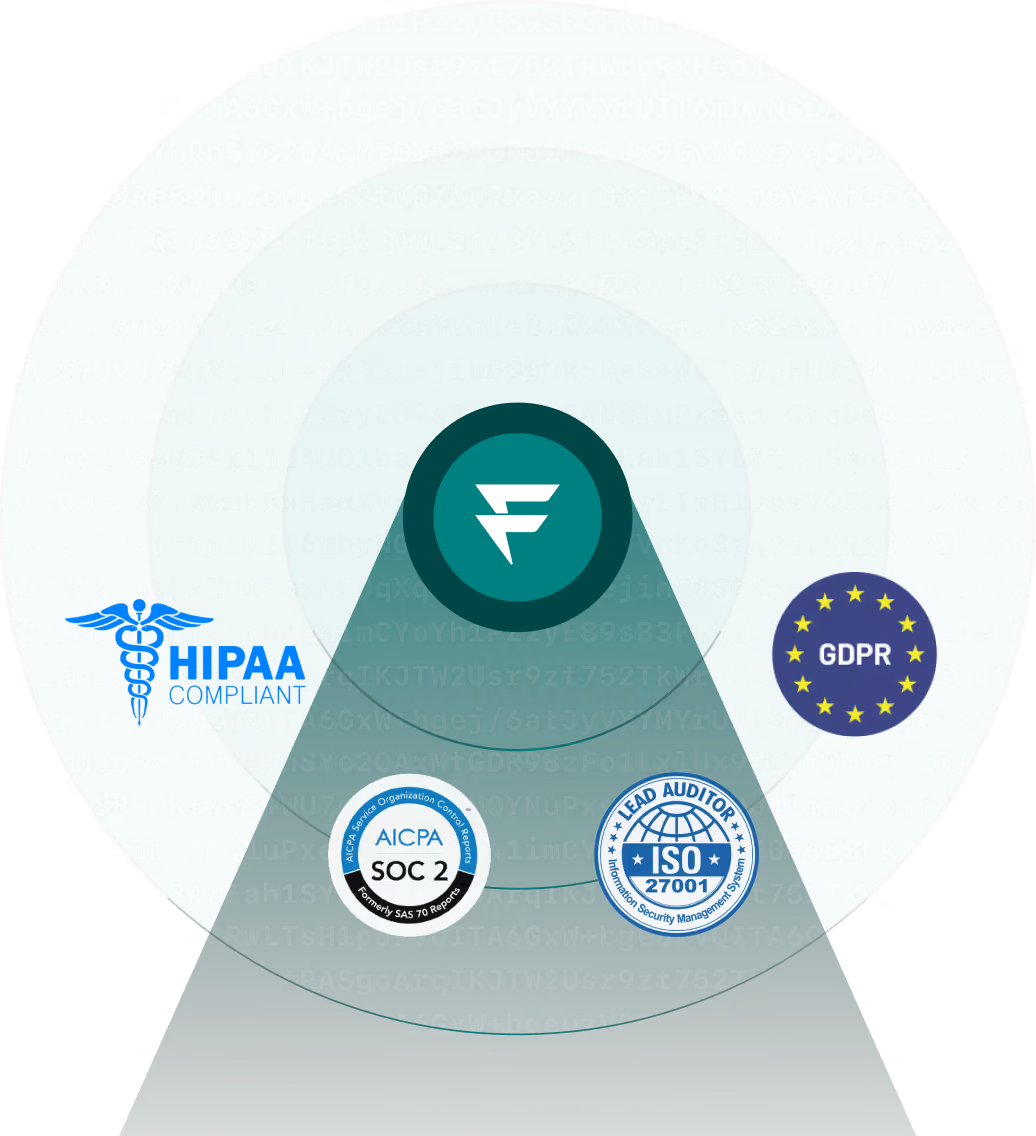
DPDP requires consent valid at the moment of send. TRAI mandates DND checked before every promotional message. Fyno handles both from the same layer that captures preferences.
While you’re still here, check out some other features!
Simplify template management with one powerful, easy-to-use editor
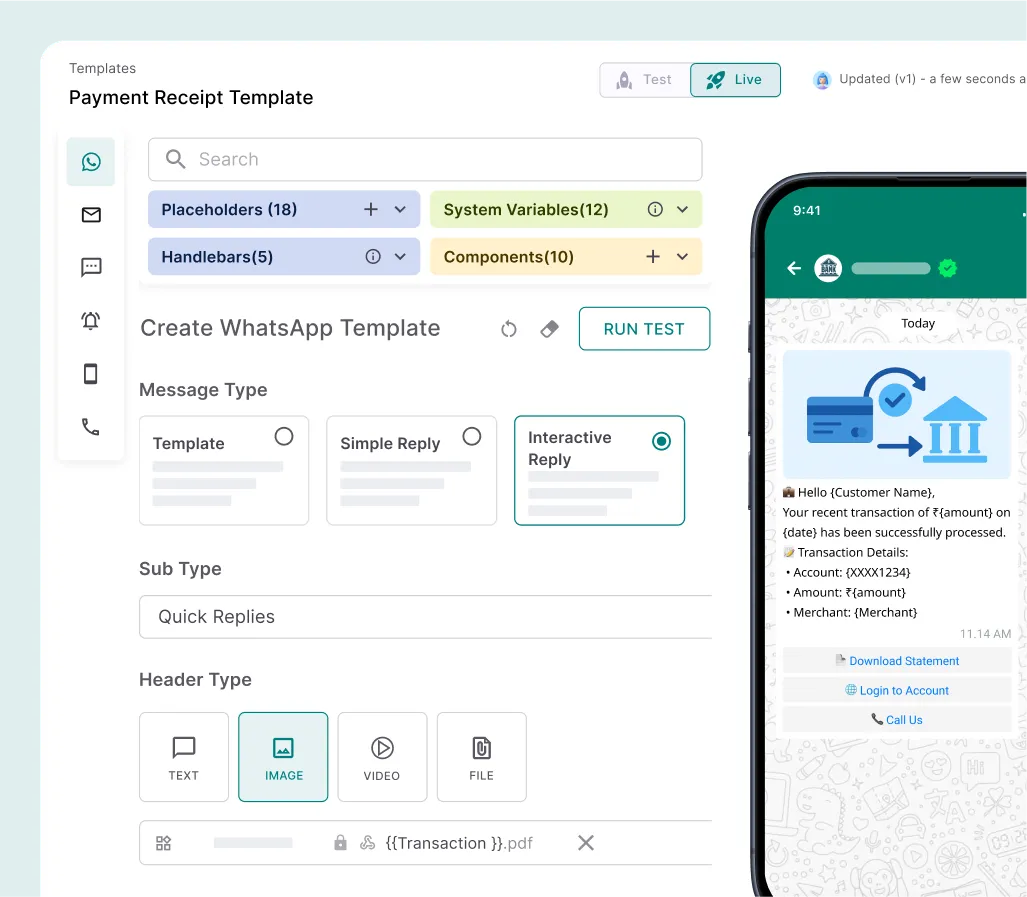
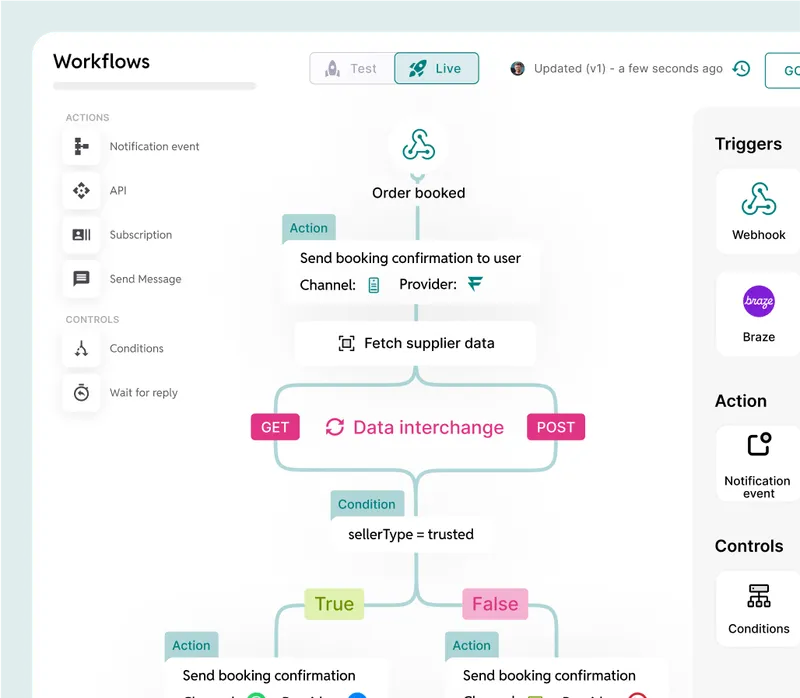
The most powerful communication orchestrator
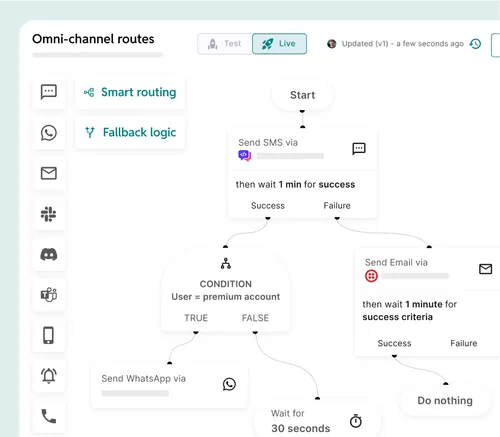
Build and manage complex routing protocols instantly
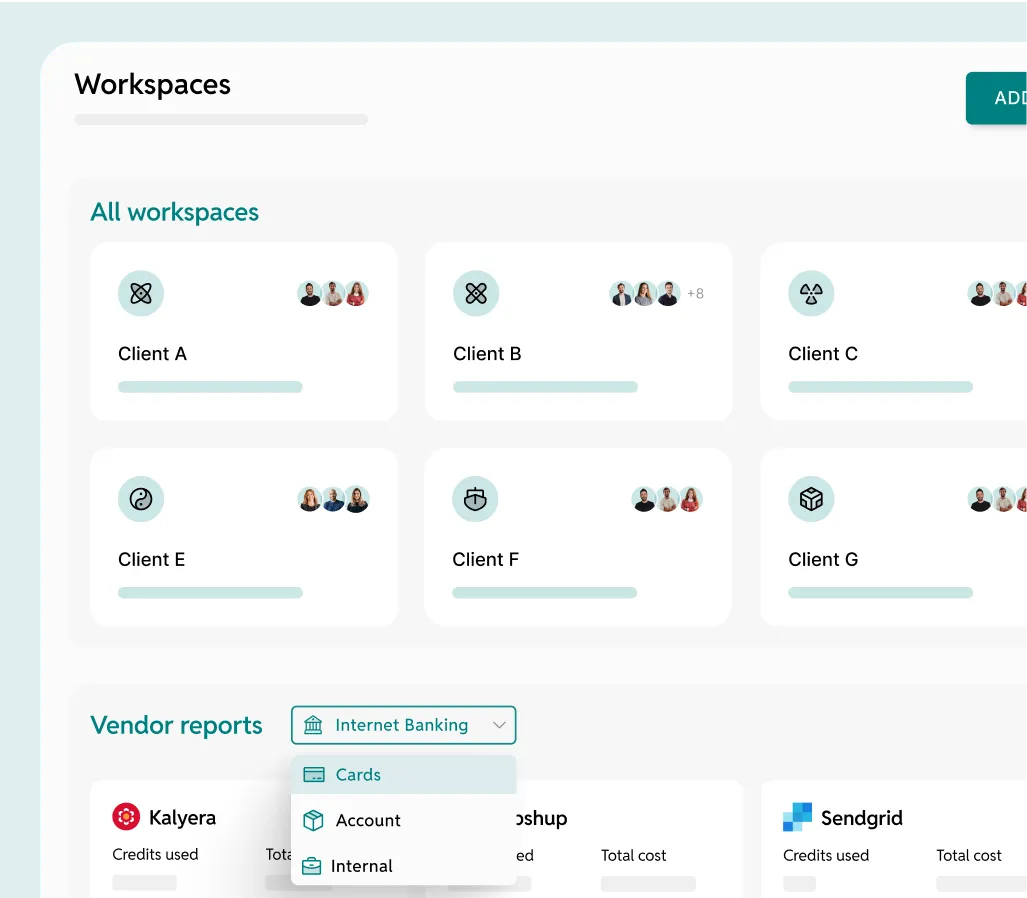
Manage distinct communication requirements better
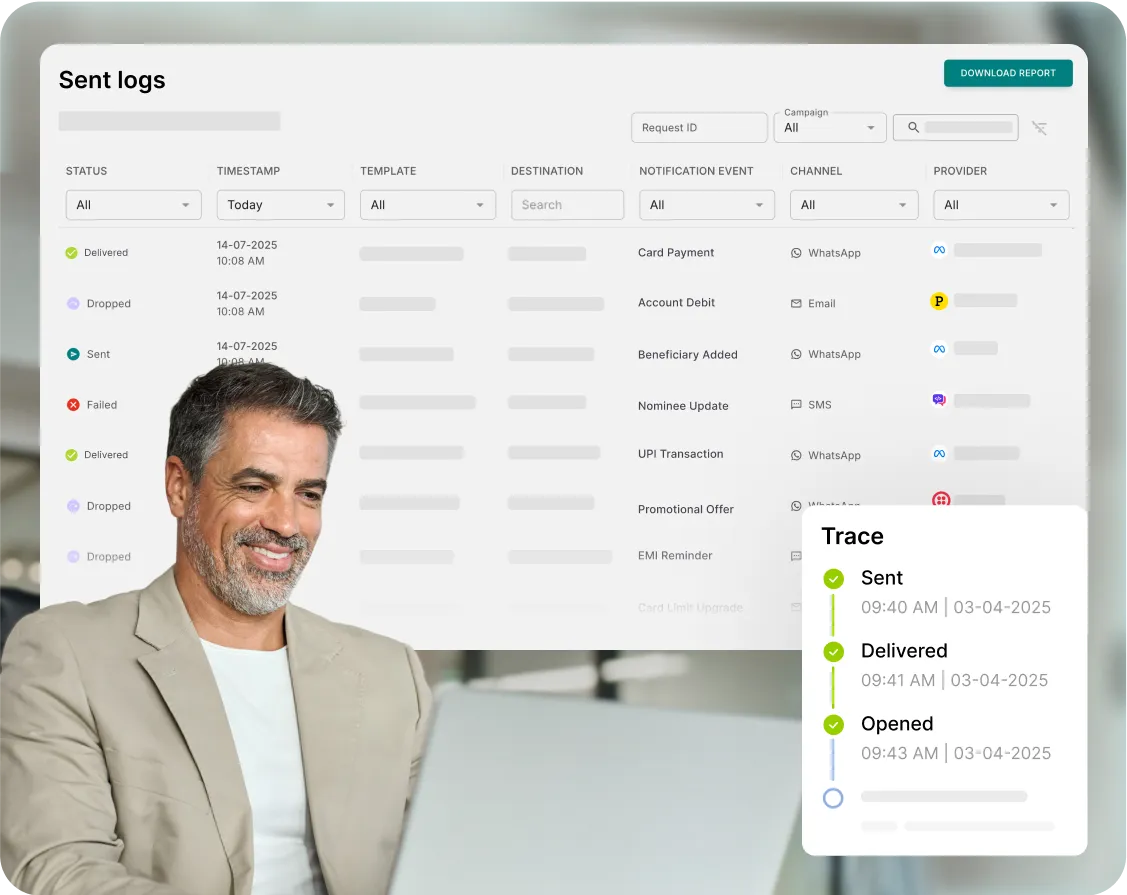
Unified communication logs: complete visibility, effortless compliance
Compliance built-in
DPDP requires consent valid at the moment of send. TRAI mandates DND checked before every promotional message. Fyno handles both from the same layer that captures preferences.
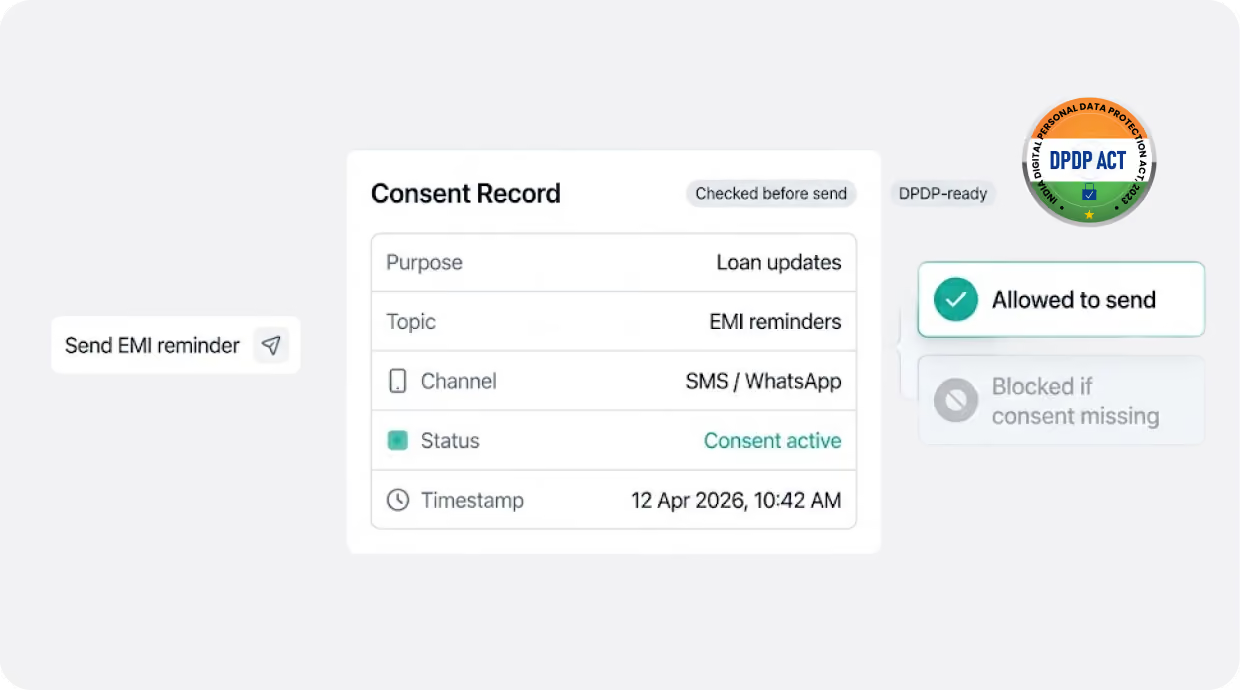
DPDP CONSENT TRACKING
Purpose-specific records
Timestamped consent per purpose and topic. Verified before every send.
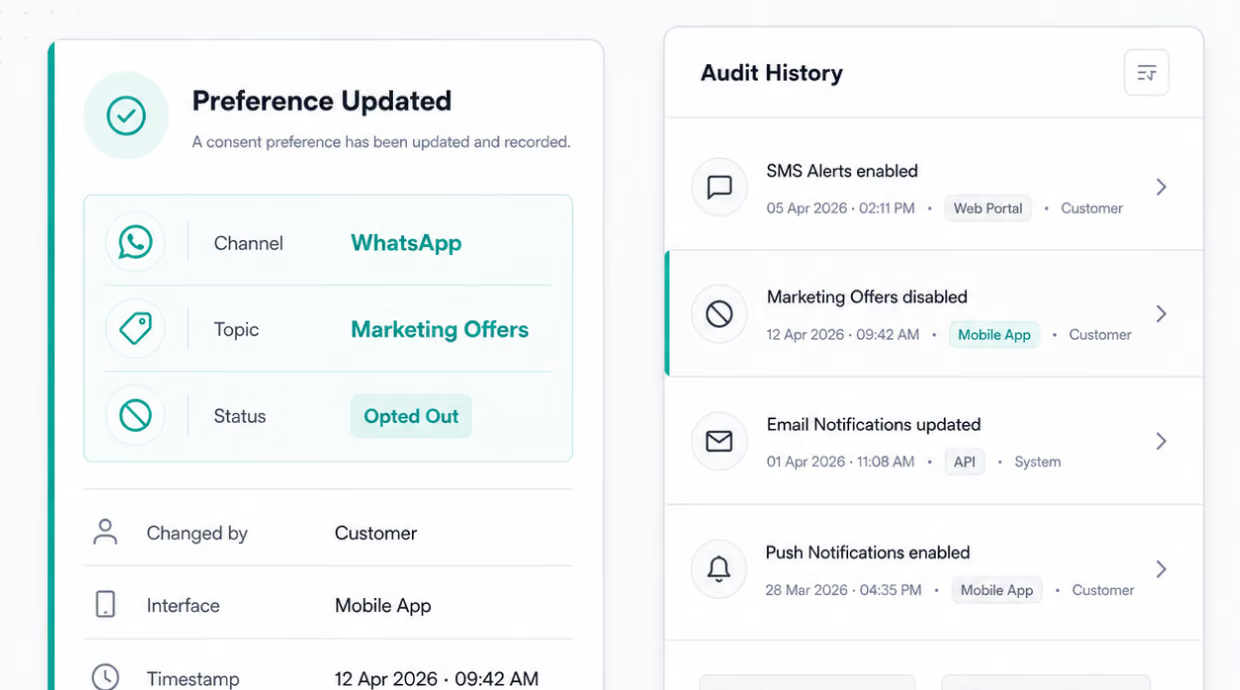
CONSENT AUDIT TRAIL
Every change logged
Who changed what, when, through which interface. Immutable. Retained up to 7+ years for RBI.
Find the answers that you need
Your marketing platform stores preferences. Fyno enforces them. When a customer opts out of SMS in your marketing tool, the opt-out is recorded in a database. But if another system, a different LoB, or a triggered workflow sends a message through a different path, that preference may not be checked. Fyno enforces preferences at the routing layer, meaning every message, from every source, is validated against the customer's current preferences before dispatch. The enforcement is not optional and cannot be bypassed by upstream systems.
Both. Fyno supports two tiers of consent. At the channel level, customers can opt in or out of SMS, WhatsApp, email, push, and in-app independently. At the topic level, customers can subscribe or unsubscribe from specific communication categories: marketing updates, product announcements, account alerts, regulatory notices. Topics are classified as soft (customer can unsubscribe) or hard (mandatory, such as regulatory notices). A customer might receive transaction alerts on all channels but marketing updates only via email.
Fyno provides native SDKs for iOS, Android, and web. The preference centre runs inside your app with your branding. No Fyno branding is visible to end users. Once a customer's distinct ID is registered, the SDK captures preferences directly and syncs them with Fyno's routing engine. Your backend does not need to pass channel-specific details with every API call. Fyno retrieves the latest preferences automatically at send time.
The preference change takes effect immediately at the routing layer. Even if a campaign segment was built an hour ago and the send is in progress, Fyno validates each individual message against the customer's current preference state before dispatch. If the customer opted out of SMS between segment build and send, the SMS is suppressed for that customer. This real-time enforcement is what distinguishes Fyno from systems that check consent only at segmentation time.
DPDP requires that consent be tied to a specific communication purpose, not a blanket opt-in. Fyno tracks consent per purpose: marketing, transactional, service, regulatory. Each message is tagged with its purpose at the template level. Before sending, Fyno validates that the customer has active consent for that specific purpose on that specific channel. The audit trail links every send to the consent record that authorised it, providing evidence for any Data Protection Board inquiry.
Yes. Fyno supports configurable frequency caps per customer, such as a maximum of four to eight notifications per ten-day window. Do-Not-Disturb windows prevent marketing messages from being sent after defined hours, typically 8 PM. DLT categorisation is enforced during template creation, and the routing engine applies different consent rules based on whether a message is classified as Service Explicit, Service Implicit, or Transactional. This prevents marketing messages from being accidentally sent as transactional to bypass DND restrictions.
Retention is configurable. The default is 7 days of real-time logs plus 6 months of archival logs. For RBI compliance, retention can be extended to 7+ years. Every preference change is logged with a full audit trail showing who changed what, when, and through which interface. Maker-checker approval workflows apply to consent policy changes, ensuring that modifications to default channel configurations go through governance before taking effect.
Discover insights
Learn how teams streamline communication, manage templates, and scale faster with Fyno.


.svg)