Email Templates
Fyno’s email templates let you create rich emails for both marketing and transactional communication. You can build an email in one of three editors: Stripo, Unlayer or HTML.
Choose an editor
When you add the Email channel to a template, Fyno asks you to choose an editor to create your email template.
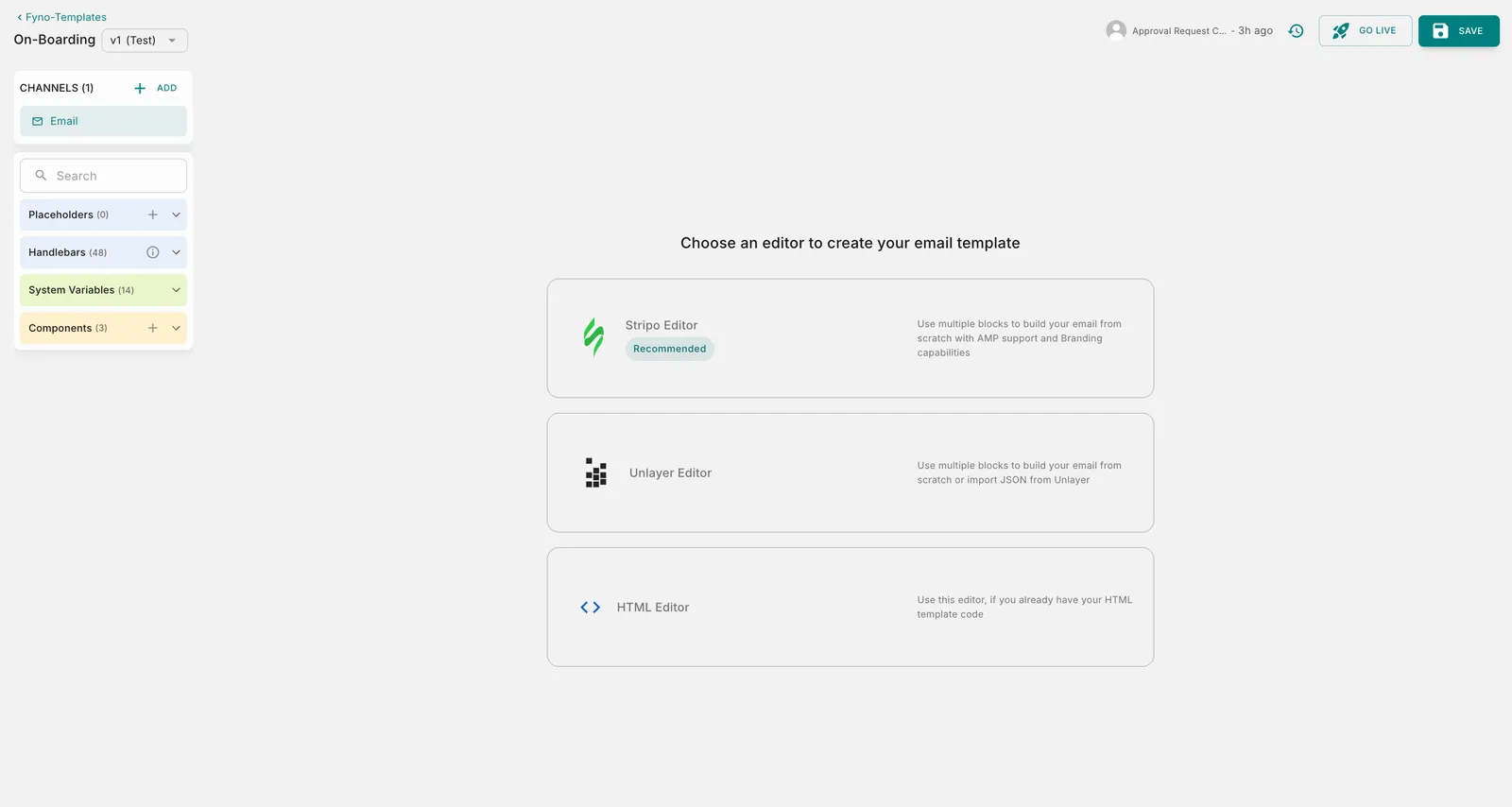
Fyno recommends the Stripo editor because it is easy to use and supports AMP, giving your customers a rich and responsive email experience.
Fields common to every editor
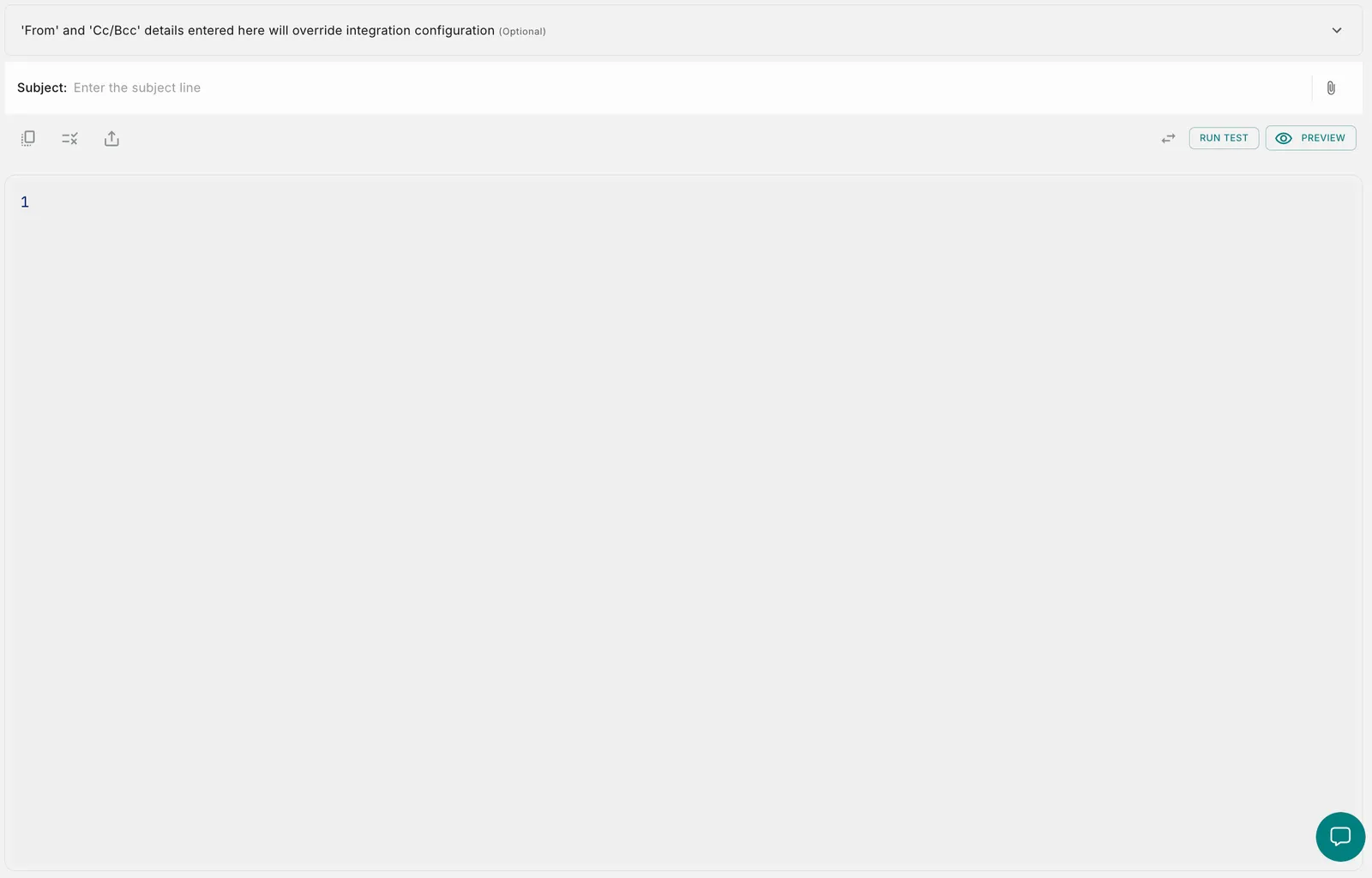
Every editor has the same fields above the design area:
- ‘From’ and ‘Cc/Bcc’ details (optional): Expand this section to override the From Name, From Email, Reply To, Cc and Bcc configured in your email integration, and to add an optional Feedback ID for tracking Gmail spam complaints (SendGrid only). See How to override email sender details and How to add CC and BCC recipients.

- Subject: Enter the subject line of the email.

- Attachment icon (paperclip, next to the subject): Add attachments to the email. See How to add attachments.
- Run Test and Preview: Send a test email, or preview how the email looks.
You can add placeholders in the subject line to personalize it.
To use any user property in your templates, add it in this format: {{$user.$<user_property>}}. For example, to add Name as a placeholder from the User profile, add it as {{$user.$name}}.
Stripo Editor
Stripo is a drag-and-drop email builder integrated into Fyno. Build your email from scratch using ready-made structures and content blocks, including AMP blocks such as carousels, accordions and forms. You can also save blocks as modules to reuse them in other templates.
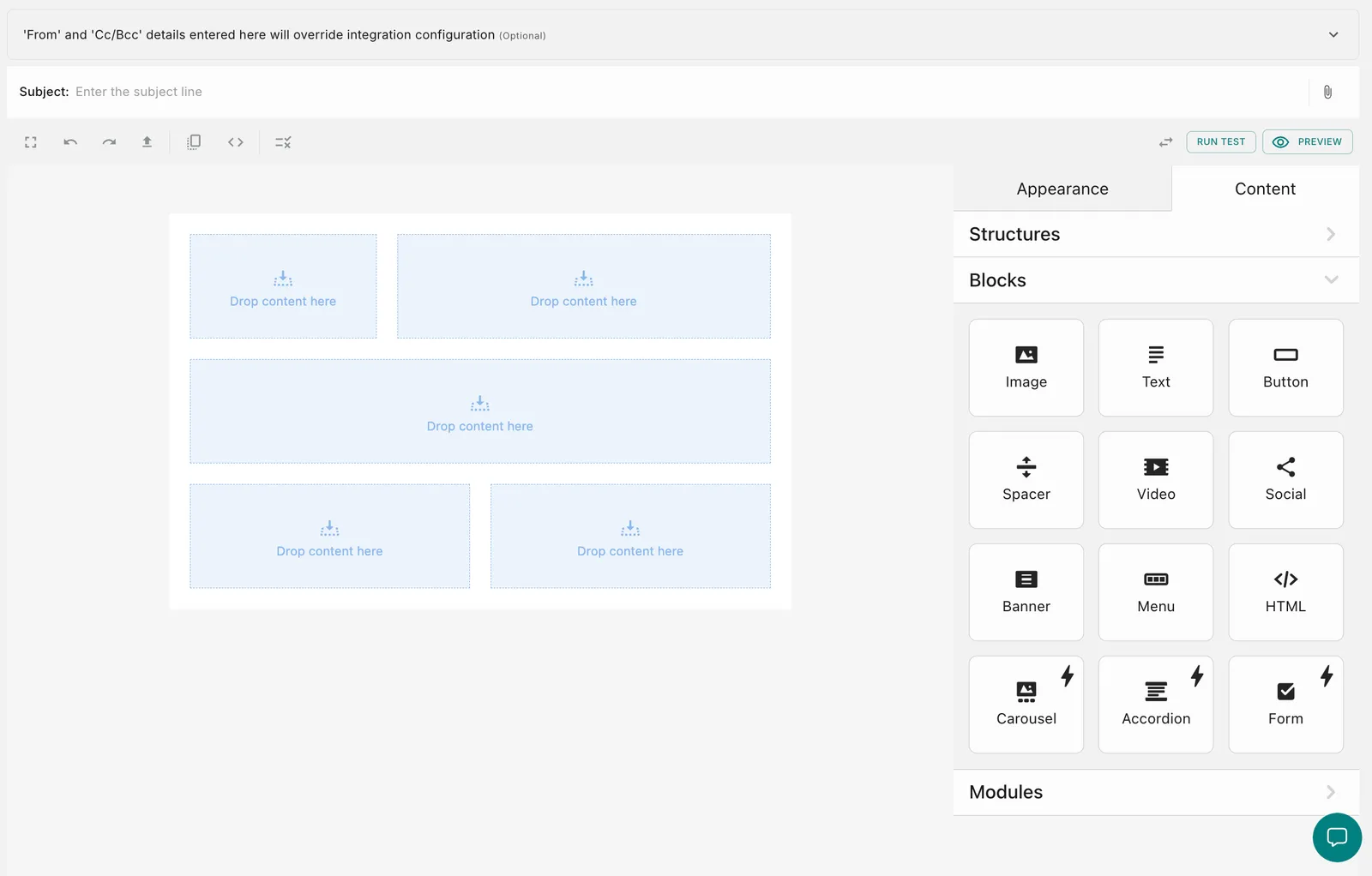
To send interactive AMP emails, see AMP Email Template.
Unlayer Editor
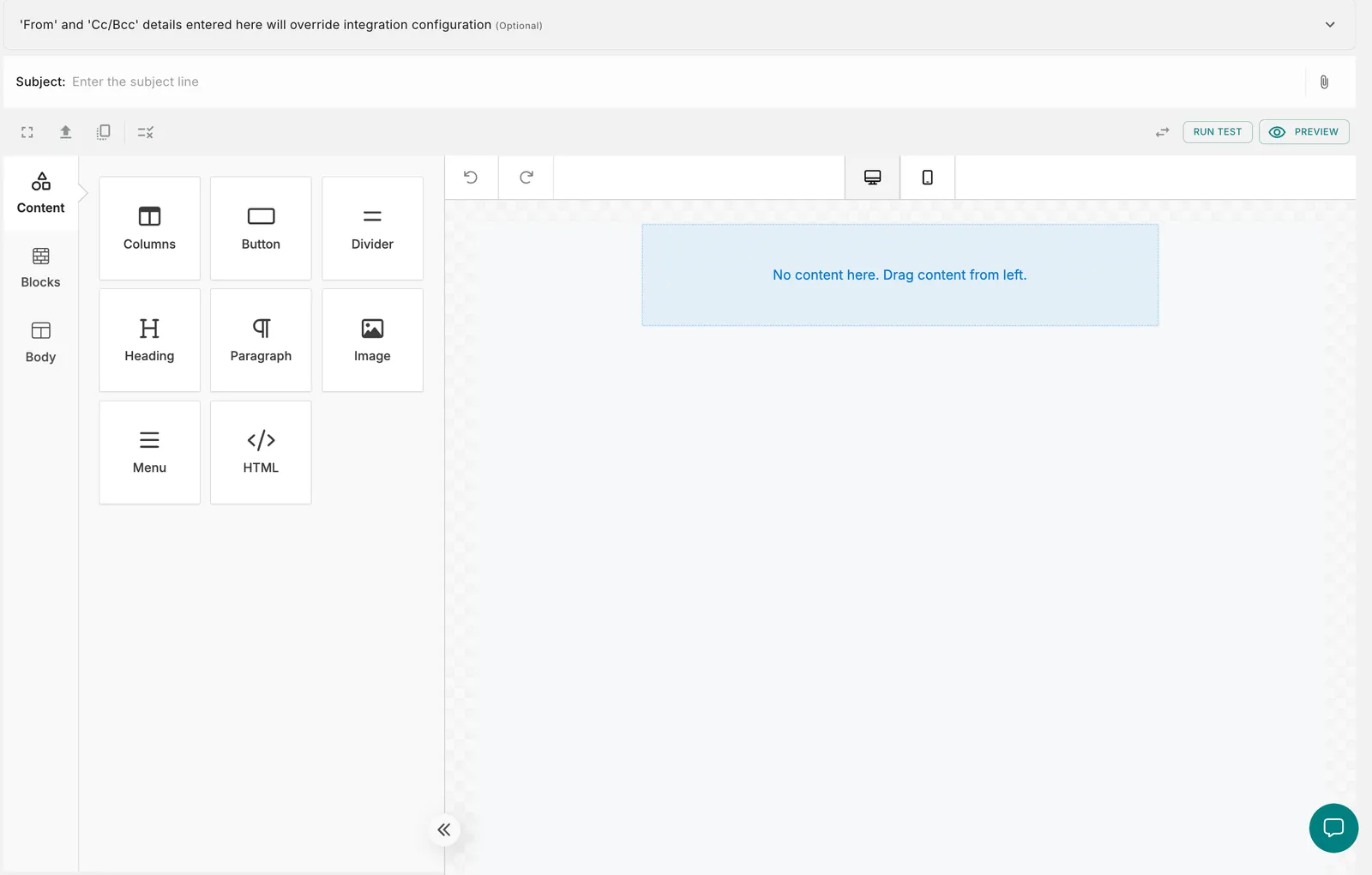
Unlayer is a drag-and-drop email builder integrated into Fyno. Build your email from scratch using content blocks, or import a JSON design from Unlayer. You can preview how the email looks on desktop and mobile.
HTML Editor
Use the HTML editor if you already have your HTML template code. Paste your code into the editor, or upload it as a .zip file using the upload icon in the toolbar.
Upload an HTML template as a .zip file
You can upload a custom email template as a .zip file. This lets you include your HTML file along with all the assets it needs, such as images.
Your .zip file must contain:
- One HTML file. This is used as the email template.
- All static assets referenced in the HTML, such as images and CSS files.
For example, if your HTML references my_image.jpg, make sure my_image.jpg is also inside the .zip file.
- Make sure all asset references in the HTML are correctly linked to files inside the
.zip. - Keep the structure simple to avoid broken references.
The upload fails if:
- The
.zipfile does not contain an HTML file. - The
.zipfile contains more than one HTML file.
If any image or asset is missing, you see a warning message and are asked to re-upload a corrected .zip file with all the required assets.
How to add dynamic content
You can add dynamic content to your templates using one of the four options below:
How to add reusable components
Components let you create elements you want to reuse in other emails, such as a header or footer, so you don’t have to recreate them in every email. Learn more in Components.
How to override email sender details
You can override the sender details configured in your email integration in two ways: using the Notification Event API, or in the email editor. See How to override email sender details.
How to add attachments
You can add static as well as dynamic attachments to emails. See How to add attachments in email.
How to add multiple ‘to’ emails
You can add any number of emails to to in the Notification Event API, as shown below.
How to add CC and BCC recipients
You can add CC and BCC recipients to emails. See How to add CC and BCC recipients in email.
How to test an email template
Use this feature to test a template thoroughly before including it in any Notification Event. This ensures early detection and resolution of any potential issues, for a seamless user experience.
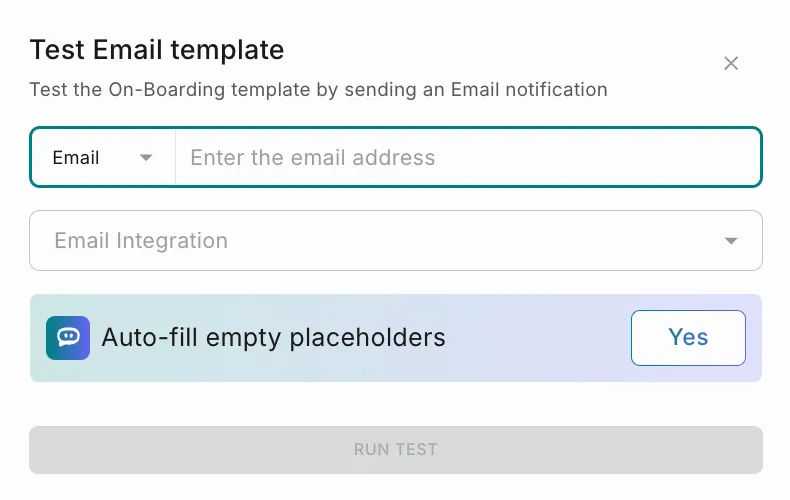
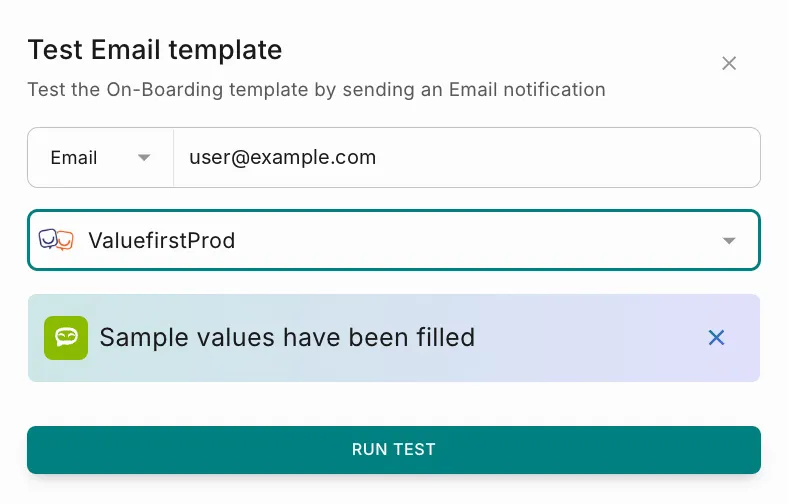
From the dropdown, choose Email and enter the email address of the recipient, or choose distinct_id and enter it. Make sure to enter the distinct_id of a Test User profile.
Save and go live
Click Save to save the template as a Test version. You can save different versions of the template this way. Use Go Live when you are ready to move your template to the Live version.
If your workspace has a maker-checker workflow enabled for template management, Go Live needs an additional approval step. Choose from your designated approvers, who review and authorize the template changes. See Approval flow for the steps.
How to add an unsubscribe link in the header
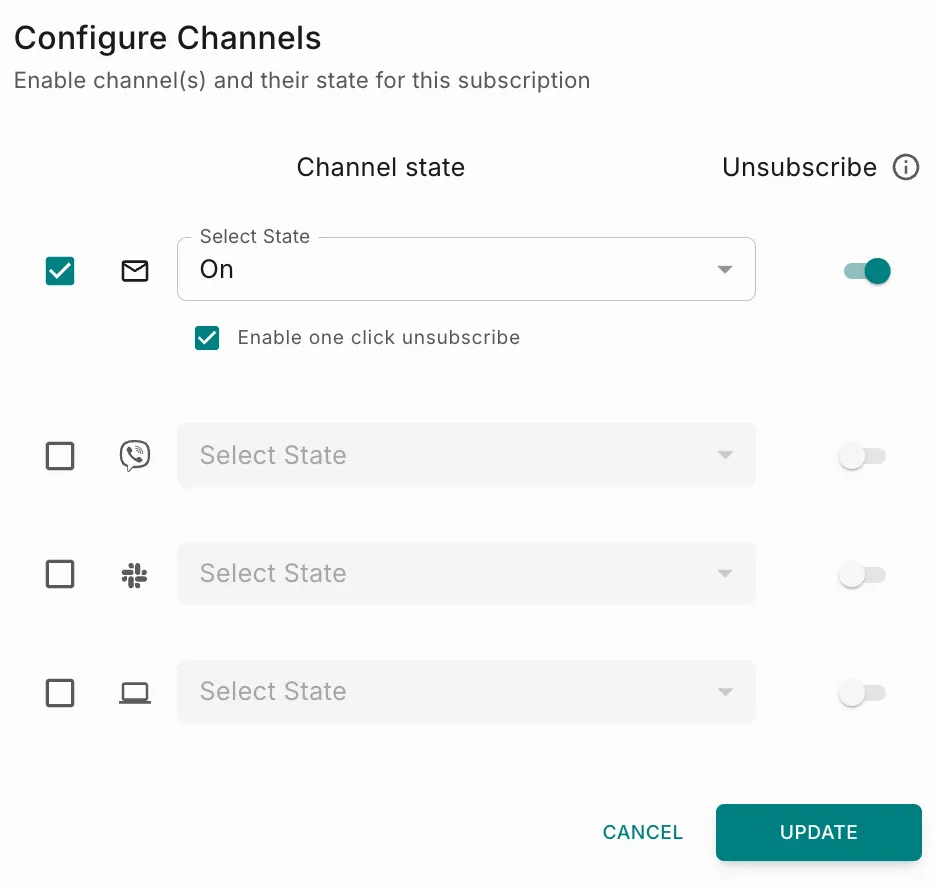
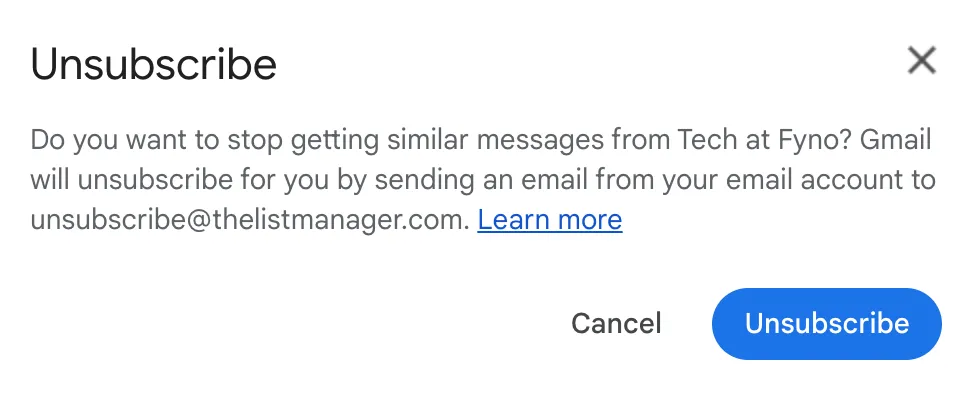
Unsubscribes are managed at the subscription topic level, so using the wrong subscription topic with a notification event can unsubscribe users from something they didn’t intend.
The header unsubscribe link is currently available only for the SES and Postmark integrations. Reach out to us if you want to enable it for any other email service provider.
How to add an unsubscribe link in the footer
In the link settings on the right, choose Other from the dropdown. In the text box next to it, enter the unsubscribe URL, or enter {{$fyno.$unsubscribe.url}} if you want to shorten the URL using Fyno Shorty.
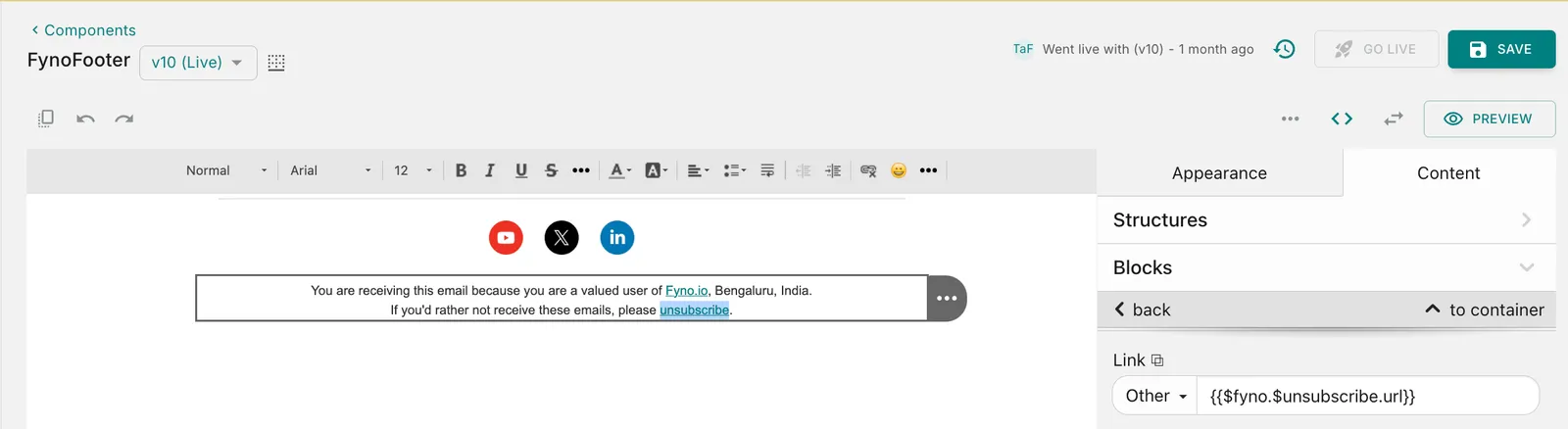
We suggest using the original URL rather than Fyno Shorty. The URL linked to the Unsubscribe text isn’t visible to users, so Fyno Shorty doesn’t add much here.
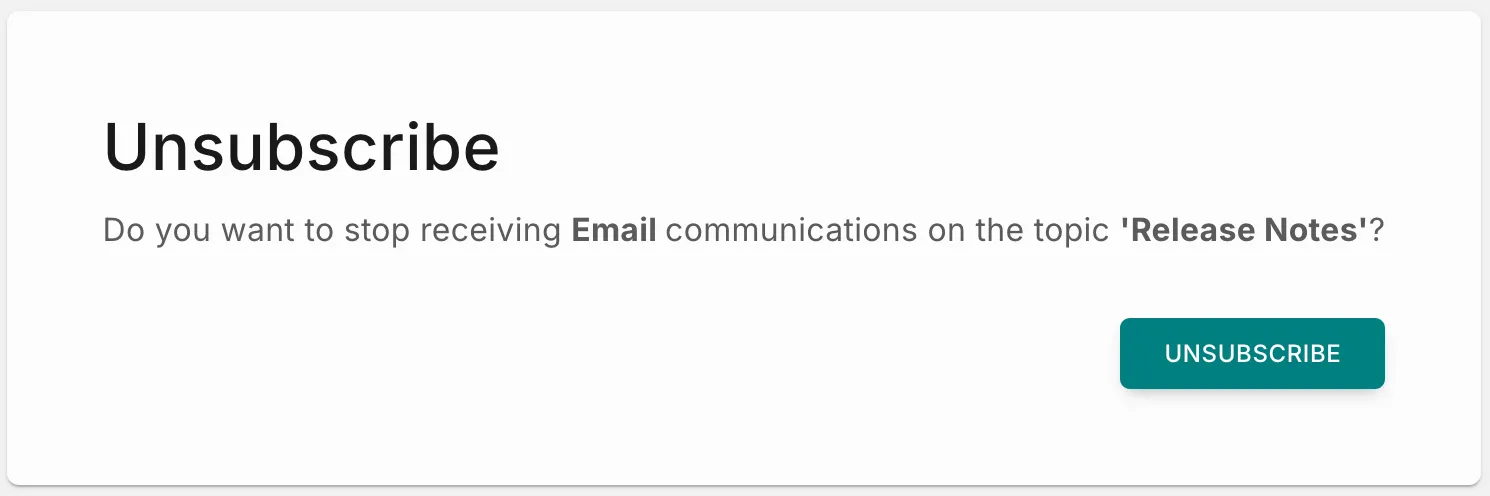
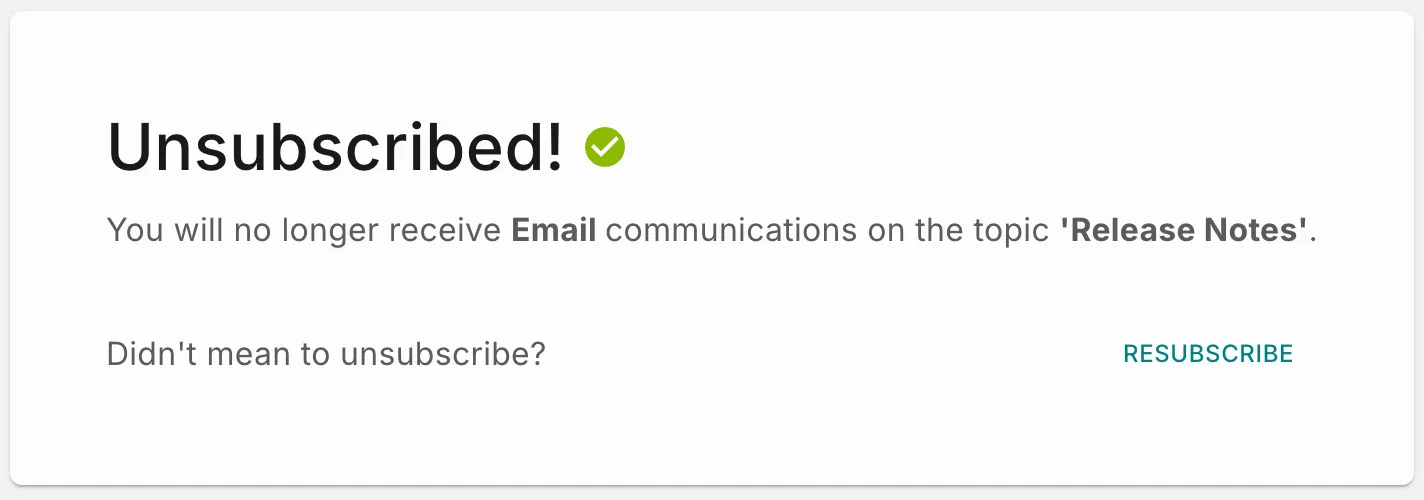
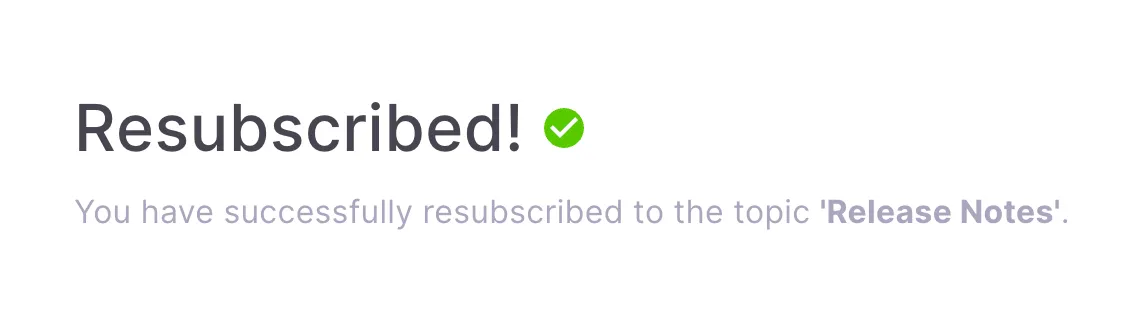
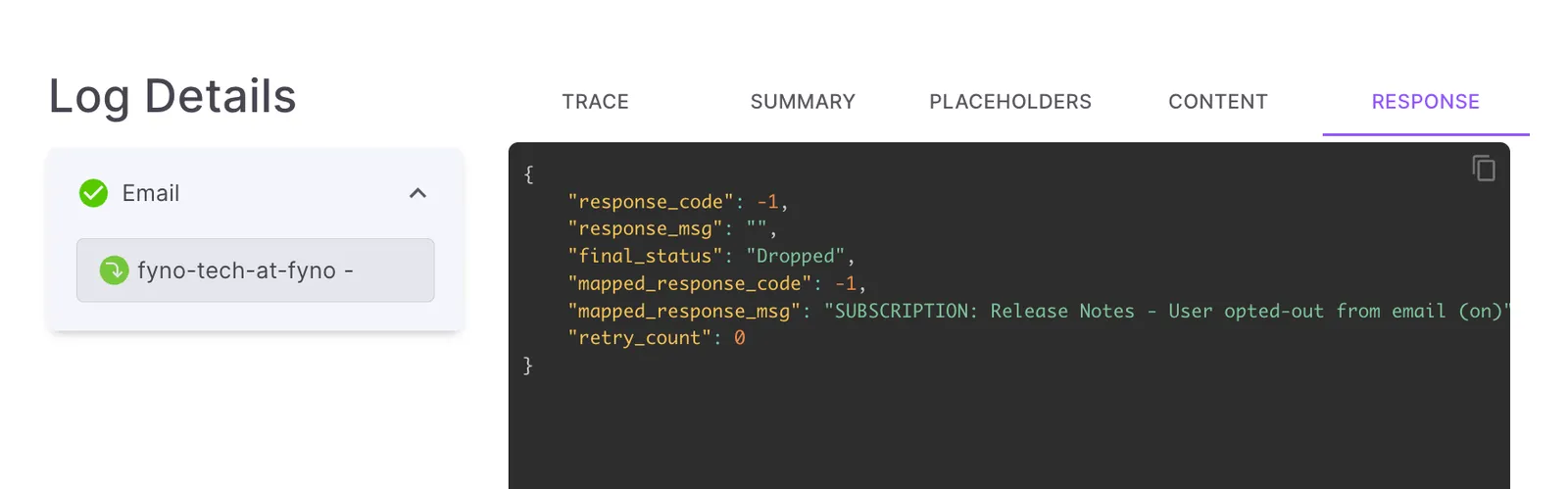
Once a user unsubscribes, Fyno adds their email to the opt-out list of the subscription topic. When you send any email for the same topic, Fyno excludes the user from the payload sent to the service provider, so the user doesn’t receive it. In the Sent Logs, you see this response for unsubscribed users: SUBSCRIPTION “Subscription_topic - User opted-out from channel(channel-state)”.
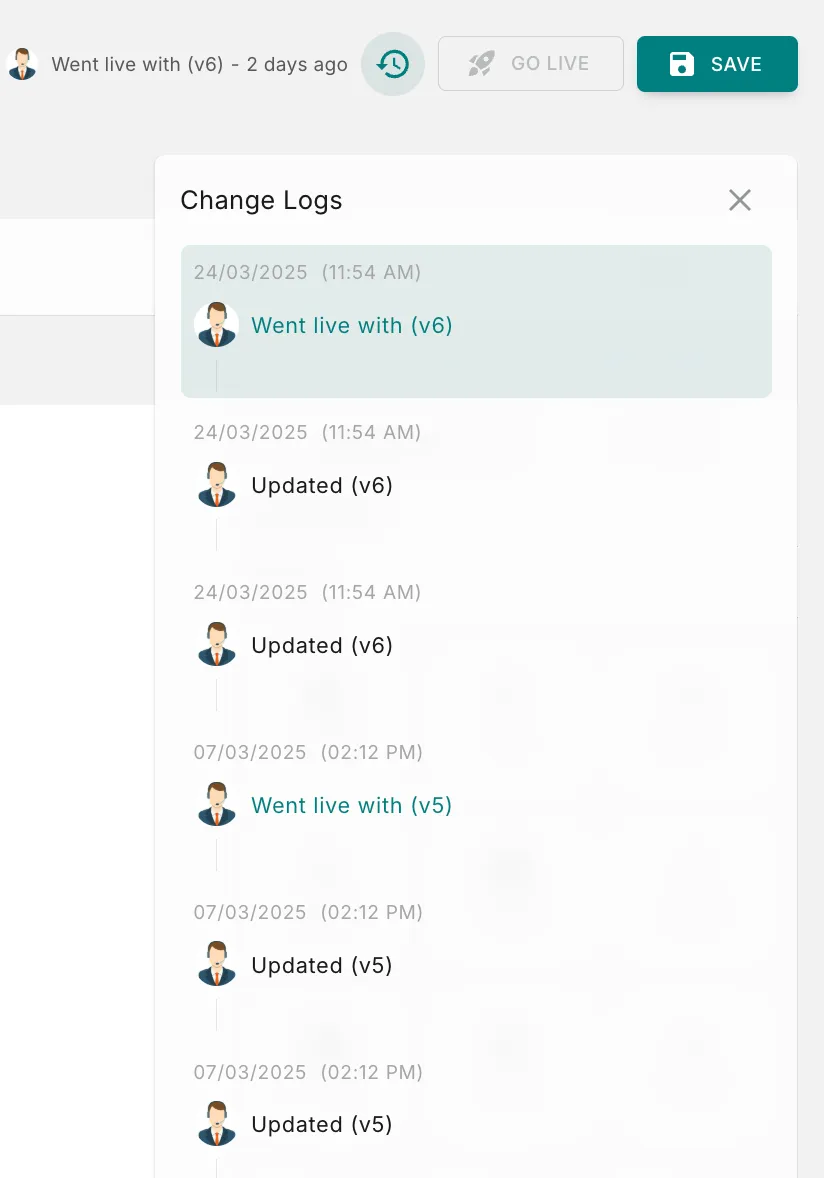
How to view change logs
To view the history of all the modifications made to a template, use the change logs feature.
Click the history icon at the top right corner of the template page to view the change logs. It shows the following details:
- Who updated it
- Which version was updated
- The date and time it was updated