FYNO FOR IT TEAMS
Single view for all communication vendors and systems
Built for CIOs and Heads of Enterprise IT at banks, NBFCs, insurance and large fintechs.


.webp)

.svg)
.svg)


.svg)
.webp)


.svg)
.svg)


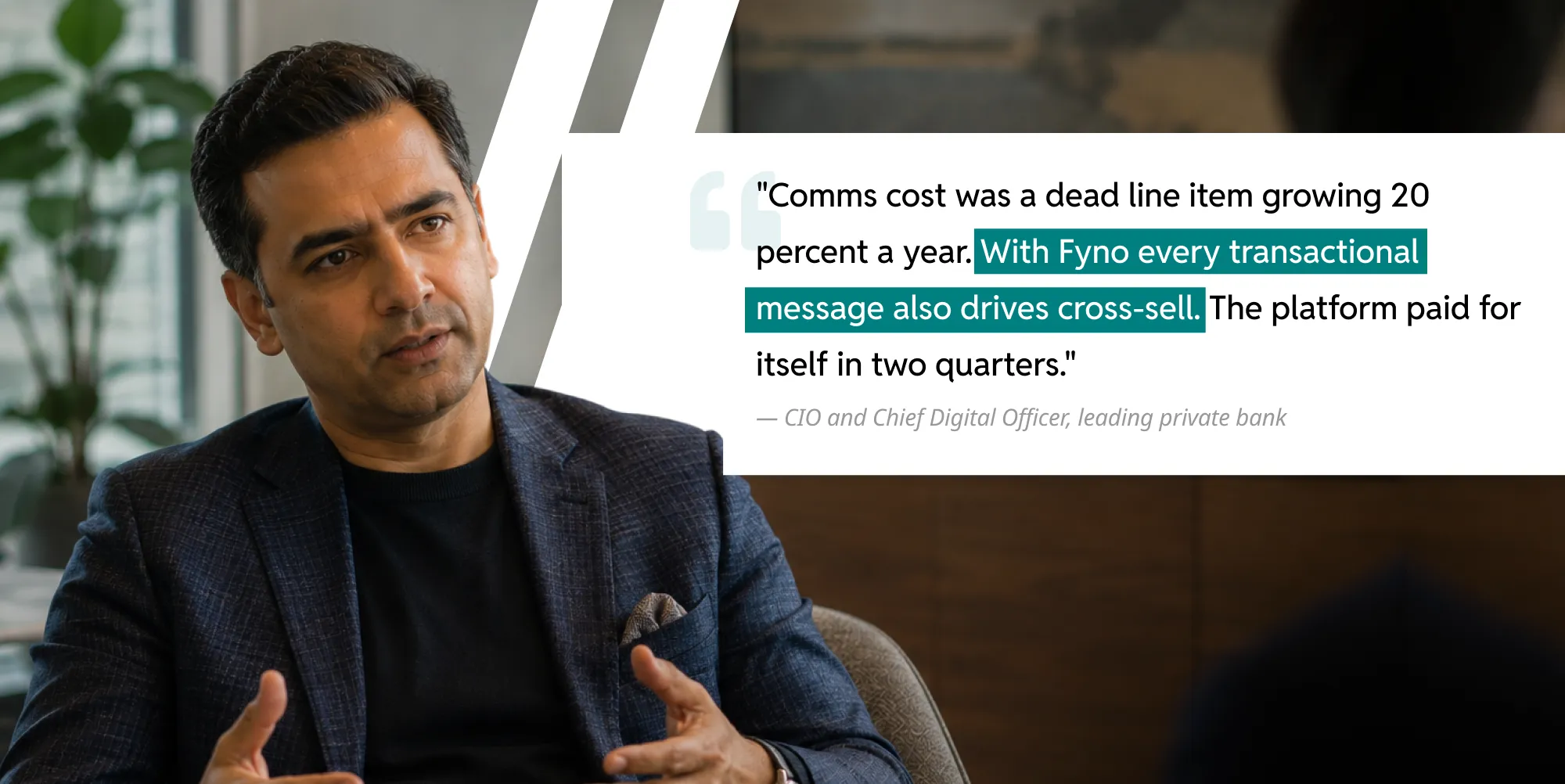
Stop reconciling vendor invoices. Start orchestrating every channel.
Where multi-vendor comms breaks down
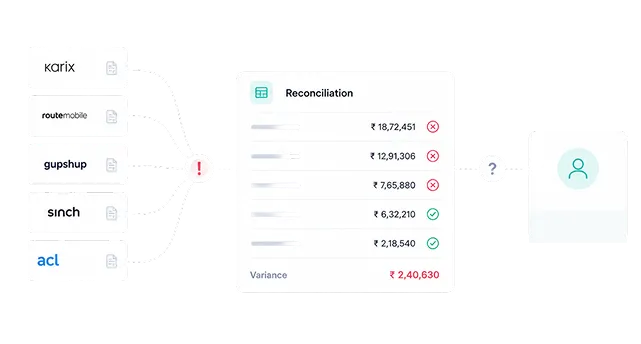
Vendor invoices don't reconcile
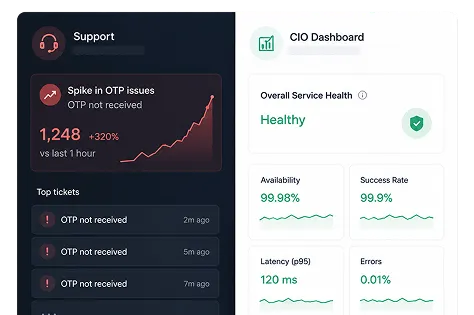
Outages span vendors, ops can't tell
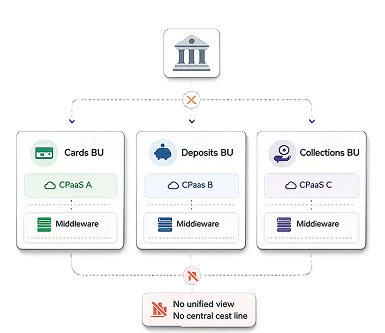
Every BU runs its own stack
Compliance lives in five systems
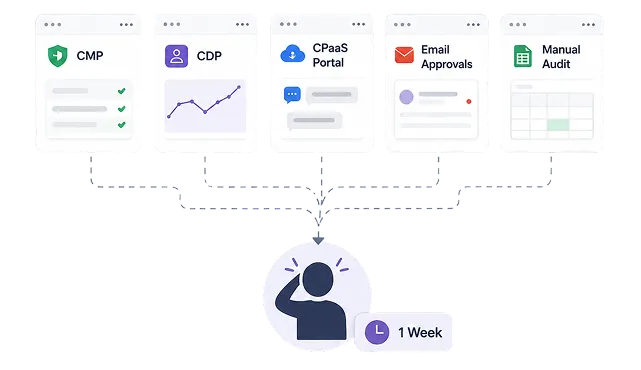
Customer experience is inconsistent across teams and products
Here’s how Fyno helps IT
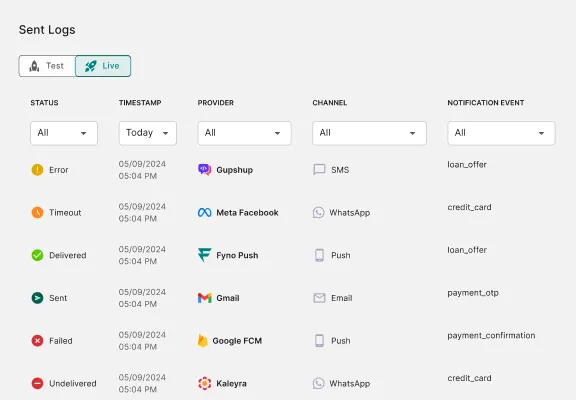
One dashboard across vendors
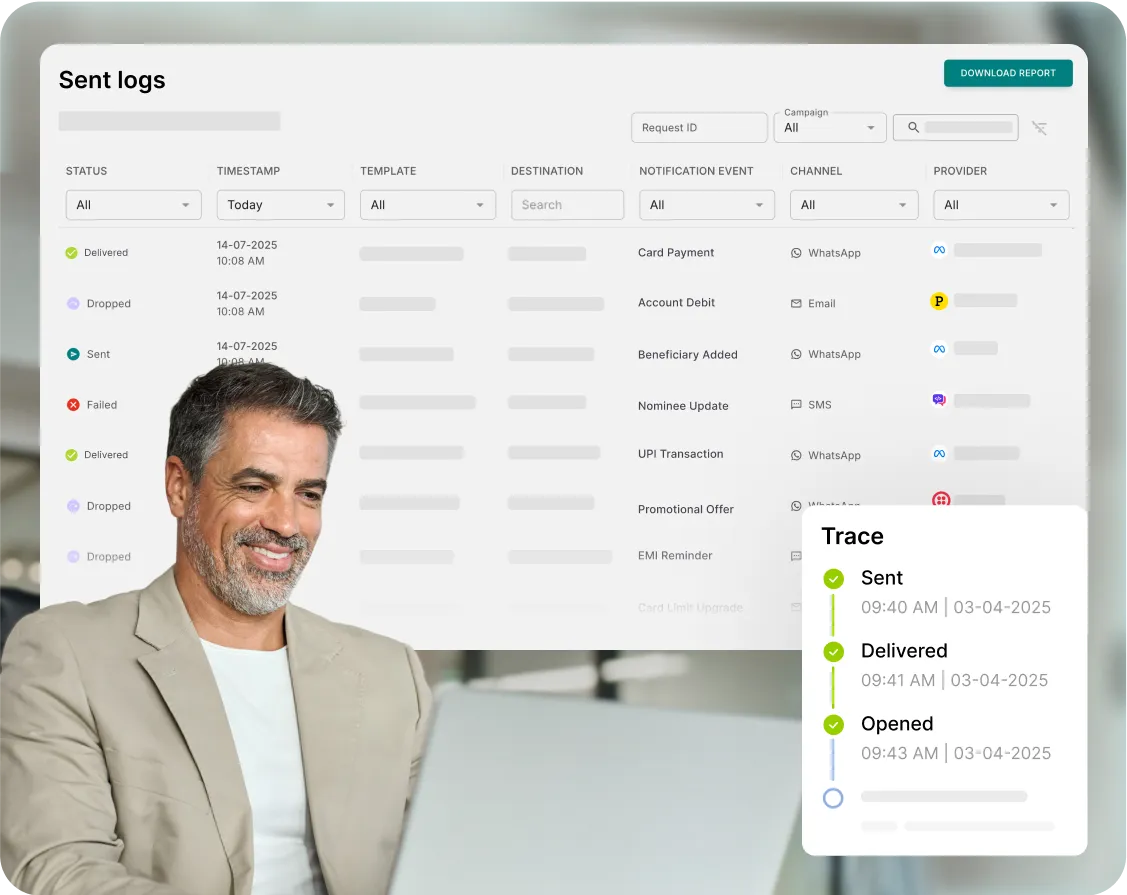
Consolidated logs across every vendor, every channel, every business unit. Spend, deliverability, and outcomes in one view.
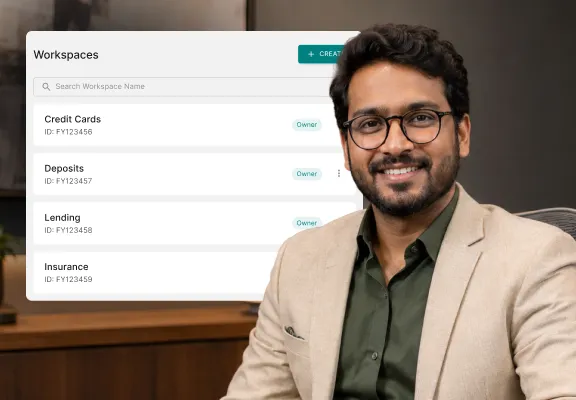
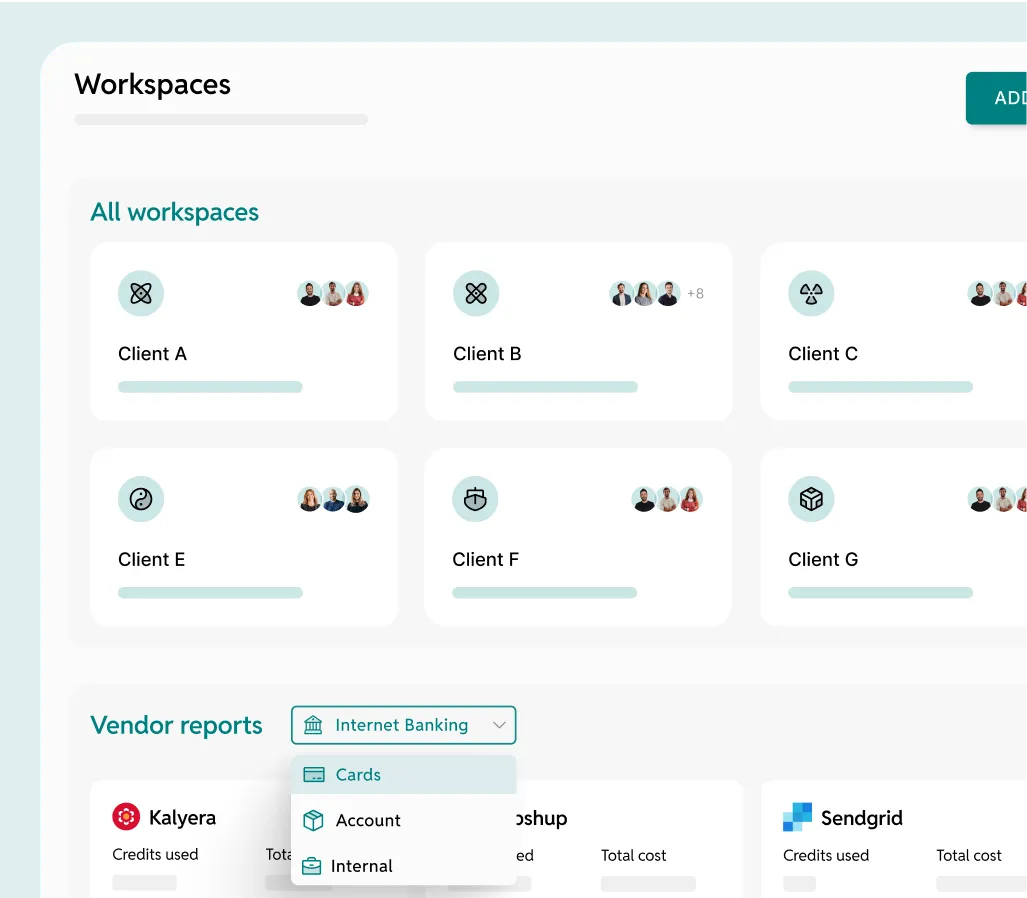
Workspaces per BU, one governance
Each business unit operates independently with its own templates and configs. The CIO sees the whole enterprise in one view.
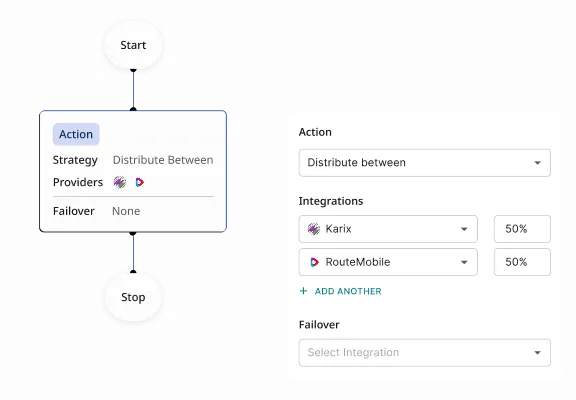
Vendor switching as a config change
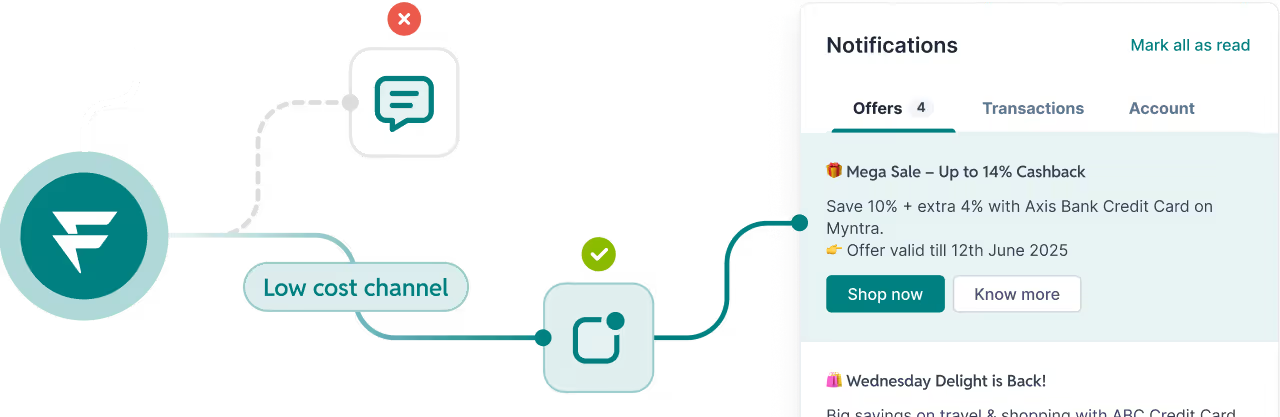
Add a new vendor, drop an old one, shift traffic by deliverability rules. Move 50 percent from Karix to RouteMobile without an engineering sprint.
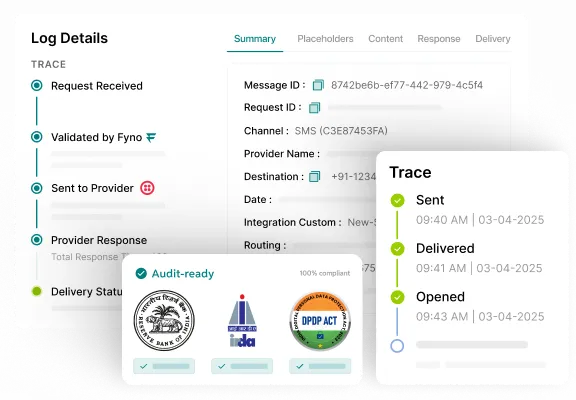
Audit trail by default
Every send logged with consent artefact, template version, vendor, and outcome. One log answers any RBI, IRDAI, or DPDP inquiry.
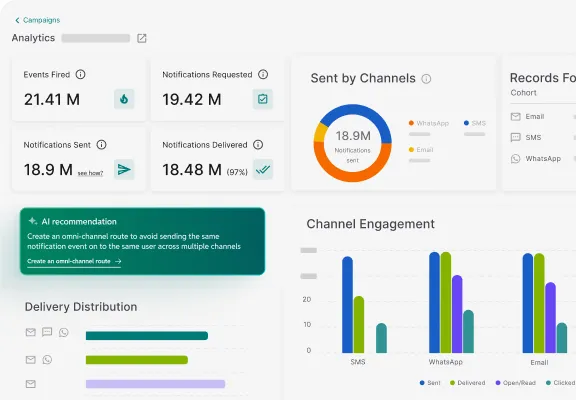
Comms spend becomes a revenue channel
Convert the dead line item into engagement. Real-time triggers, channel intelligence, and conversion attribution turn comms into a P&L lever.
Frequently asked questions about customer communications for IT leadership
Customer communications spans every business unit and every regulated touchpoint. Marketing sends promotional content, collections sends recovery messages, ops sends OTPs and alerts, product sends activation and feature messaging. All of it flows through CPaaS vendors that IT contracts, monitors, audits, and reconciles. When a vendor degrades, the support tickets land in IT's lap. When the regulator asks for an audit trail, IT produces it. When the CFO asks why the line item is up 20 percent year on year, IT has to explain. The CIO is the only role with end-to-end accountability for the comms layer, even though every BU triggers messages through it. Treating it as a marketing or ops concern leaves the CIO managing the consequences without the levers.
Fyno sits as the orchestration layer above your CPaaS vendors. Every message routed through Fyno is logged with the channel, vendor, business unit, template, customer ID, send timestamp, delivery outcome, and cost. The consolidated logs dashboard lets you filter and aggregate across any of those dimensions. Spend by BU, deliverability by vendor, cost per conversion by channel, audit trail by customer, outage frequency by vendor. The same view is available to compliance, ops, finance, and the CIO. Each BU runs its own workspace independently, but the CIO sees the enterprise total. The reconciliation week disappears.
Fyno's commercial model is built for BFSI procurement. The platform is offered as a term licence (typically three to five years), perpetual licence with AMC, or SaaS subscription. Deployment options span SaaS, private cloud, and on-prem, so the RFP can specify the deployment posture without fragmenting the vendor. Standard procurement requirements such as Third-Party Management (TMG) questionnaires, SOC 2 Type II, ISO 27001, RBI data residency, DPDP compliance, business continuity, source code escrow, and exit assistance are all supported. Most BFSI customers run Fyno through an RFP cycle and Fyno provides reference architecture, BoM, and commercial scenarios as part of the response.
Fyno's multi-tenancy model gives each business unit its own workspace with independent templates, routing rules, vendor configurations, and access controls. The CIO sees a central admin view across all workspaces with consolidated logs, spend, and compliance status. Cross-workspace governance such as enterprise-wide template approvals, central vendor contracts, and uniform audit trails sits at the platform level. BUs can operate independently without a central bottleneck while the CIO retains visibility and control across the bank or insurer. The same model supports parent-subsidiary structures, white-label brands, and partner deployments.
Yes. Fyno's most common deployment in BFSI is a replacement of a legacy middleware layer (Axiom by ACL, Sinch Axiom v6, internal Java microservices, vendor-supplied scripts). The migration runs in parallel: Fyno is deployed alongside the existing middleware, traffic moves channel by channel and BU by BU, the legacy system stays live until traffic shifts. Fyno absorbs the routing, failover, template management, and audit responsibilities, then the legacy stack is decommissioned. The typical migration timeline is 4 to 12 weeks per BU depending on integration depth. There is no big-bang cutover required.
Fyno connects to Finacle, Flexcube, TCS BaNCS, Salesforce, Zoho, MoEngage, WebEngage, CleverTap, Oracle Responses, FCI, Quadient, Snowflake, Redshift, and most data warehouses through Fyno Connect. Connect reads customer data in place via SDK-based connectors or webhooks. No data is exported by default. Customer attributes and events sync into Fyno's workspace for cohort building and triggered sends. Fyno can also hand off to your existing CCM or CPaaS systems where needed, so the migration can be staged rather than a rip-and-replace. The integration uses REST APIs and webhooks with workspace-level isolation.
Fyno deploys with data residency in India by default. On-prem and private cloud deployments stay inside your perimeter. SaaS deployments run in AWS Mumbai. Fyno Connect reads customer data in place without copying it out. The platform supports RBI data localisation, DPDP consent enforcement, DLT compliance, IRDAI archival mandates, and GDPR for cross-border operations. Audit logs are timestamped per send with consent artefact, template version, vendor, and outcome. Compliance teams typically sign off the deployment in a single architecture review before customer data flows through. Fyno is SOC 2 Type II and ISO 27001 certified.
ROI shows up across three lines. First, comms spend: 15 to 30 percent cost reduction on SMS and WhatsApp through Route Builder optimisation, visible in the first two billing cycles. Second, engineering opportunity cost: notification-related engineering tickets drop 70 to 80 percent after rollout, freeing capacity for product work. Third, conversion: real-time triggers and channel intelligence turn comms from a dead cost into cross-sell revenue, with most banks reporting double-digit lifts on transactional engagement campaigns. Combined, year-one TCO reduction lands at 20 to 30 percent across BFSI deployments. The CIO dashboard tracks each line so the ROI story is always current.
Most BFSI enterprises deploy Fyno in a phased rollout. Week one to two: integration with your data layer (CDP, CRM, core systems) and configuration of the first channel and workspace. Week three to four: parallel run alongside existing vendors, traffic shift on a single BU. Month two onwards: expansion across channels, BUs, and use cases. Fyno's architecture is built for BFSI scale: 300M+ notifications per month, 80K TPS, 99.95 percent uptime. AU Small Finance Bank, Federal Bank, Kerala Gramin Bank, Flexiloans, and TripJack run their full comms stack on Fyno. Reference architectures are available for AWS, Azure, GCP, and on-prem deployments.
Discover insights
Learn how teams streamline communication, manage templates, and scale faster with Fyno.
Key features for business team
Simplify template management with one powerful, easy-to-use editor
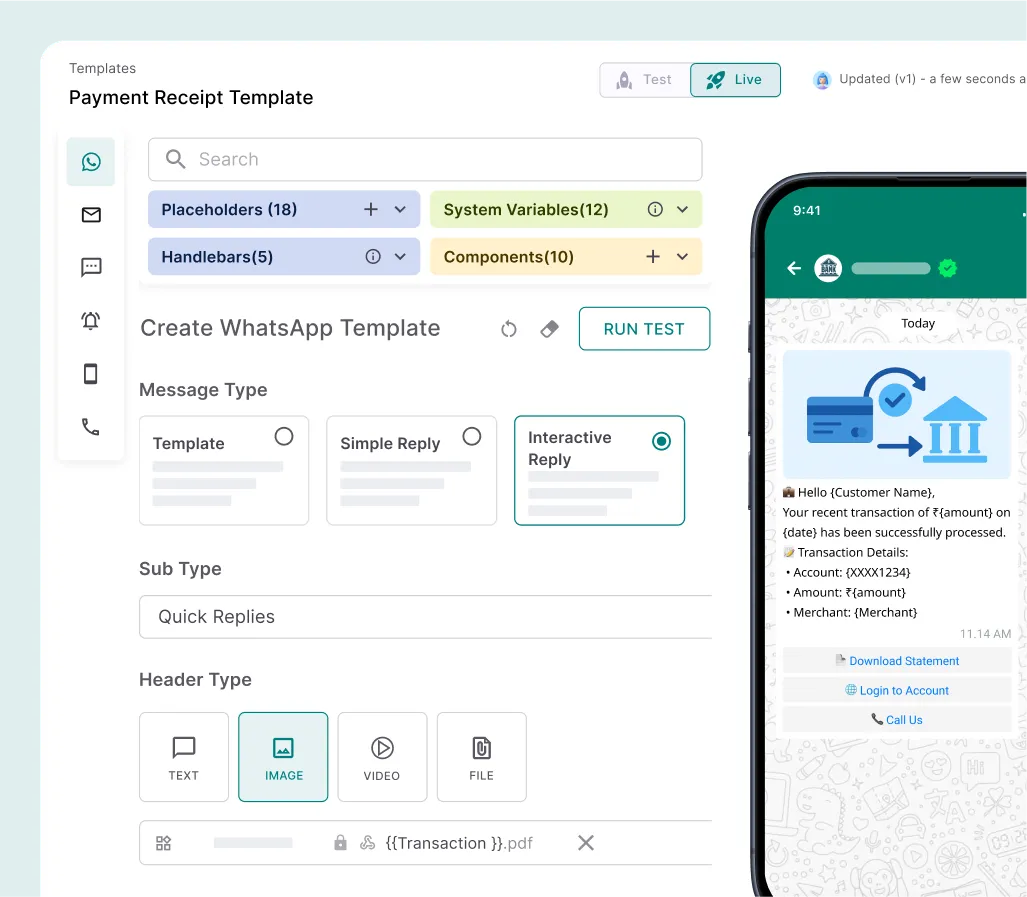
The most powerful communication orchestrator
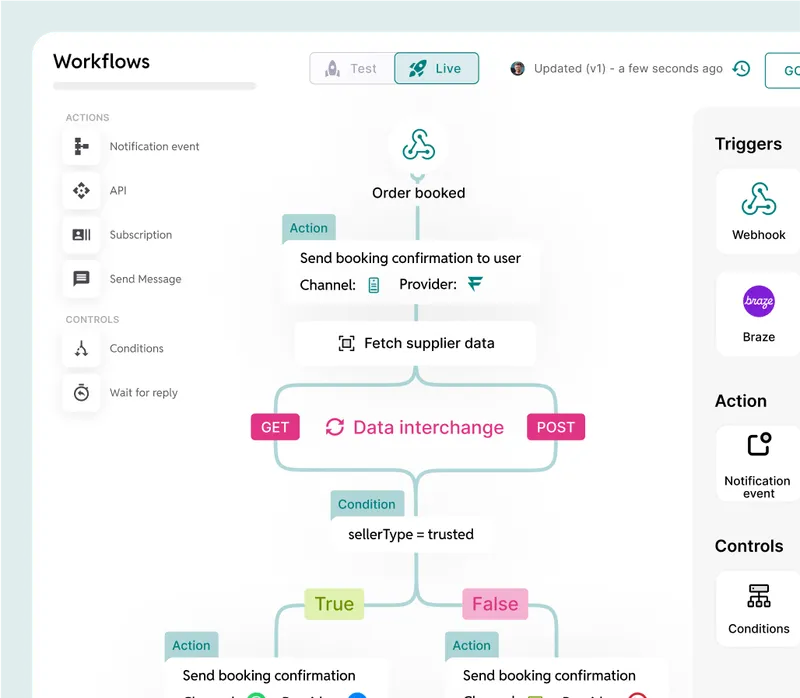
Build and manage complex routing protocols instantly
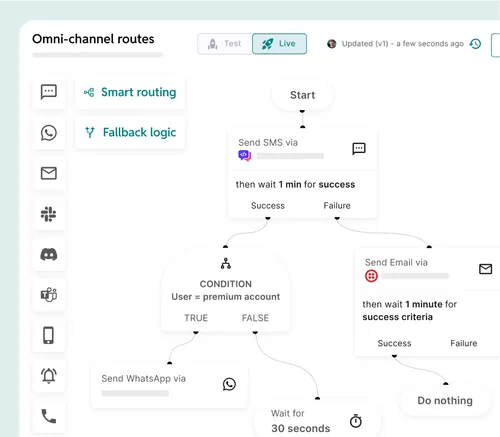
Manage distinct communication requirements better
Unified communication logs: complete visibility, effortless compliance


.webp)
.webp)
.svg)